



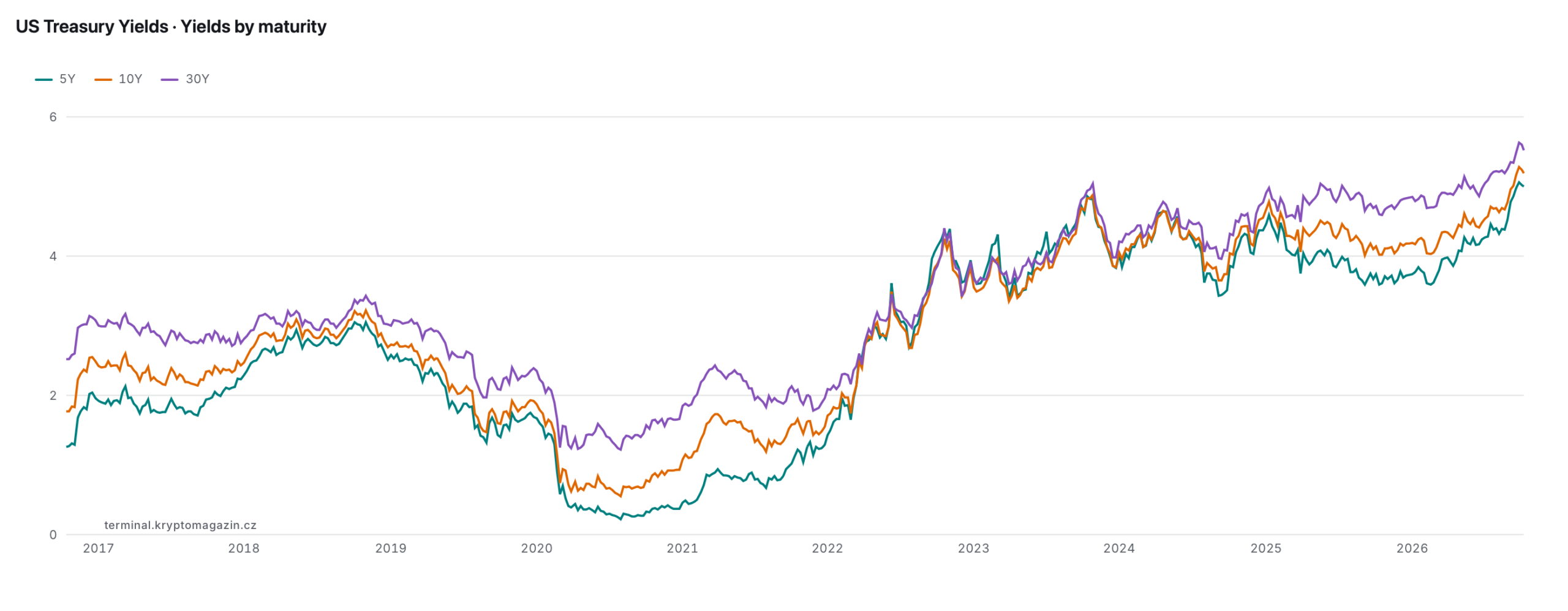
Bitcoin entered October under pressure from rising U.S. Treasury yields, higher oil prices, and weaker capital inflows into exchange-traded crypto products. Despite this, analytics platform CryptoQuant sees signs that BTC may have formed a local price bottom.
The analysis focuses on three key areas: Bitcoin reserves on exchanges, the behavior of large holders, and overall demand for BTC.
All three indicators point to a gradual improvement in market conditions, although none of them has yet confirmed a definitive reversal. October, traditionally a strong month for Bitcoin, could therefore still bring gains, but investors need further confirmation.
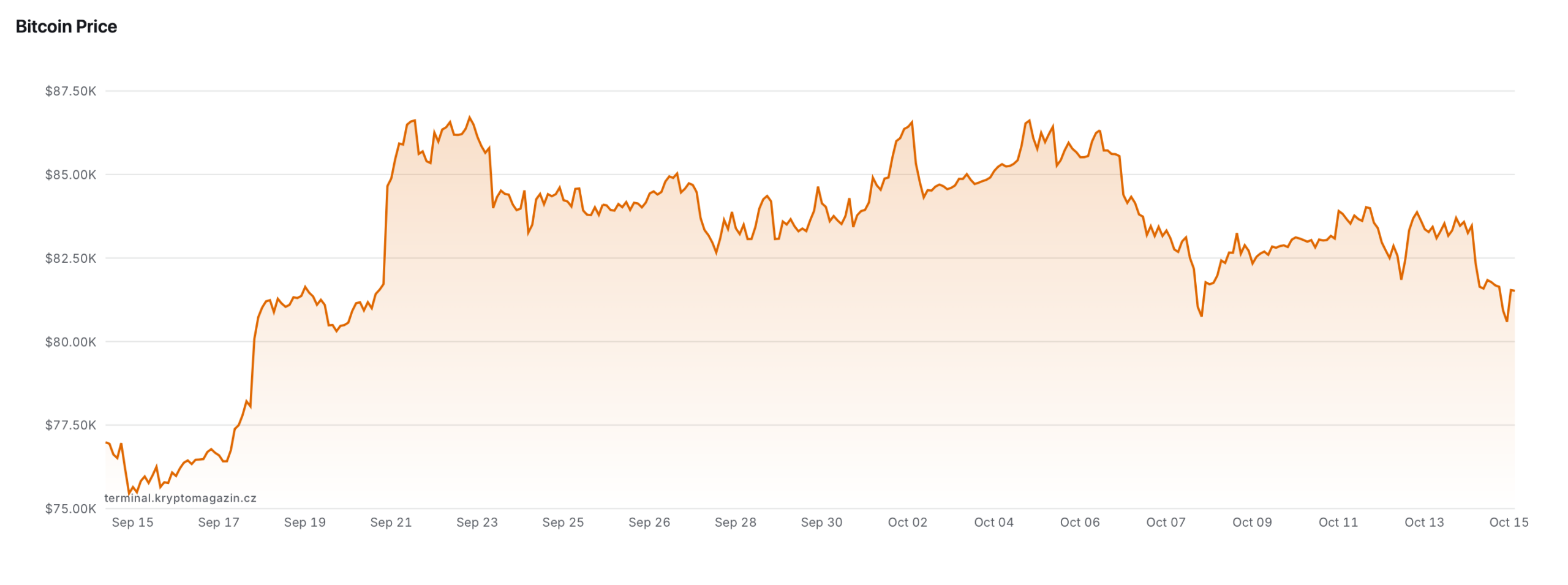
Bitcoin May Have Formed a Local Bottom
Analytics platform CryptoQuant identified the first signs of a potential price bottom in early October. Analyst XWIN Japan describes the situation as cautiously optimistic. Bitcoin has so far managed to withstand unfavorable economic and geopolitical pressures.
In recent weeks, the market has been weighed down primarily by high U.S. Treasury bond yields, rising oil prices, and weaker capital inflows into exchange-traded products. These factors reduced expectations that Bitcoin would deliver a stronger rally in October.
Since the beginning of the month, however, the outlook has partially improved. Markets are assigning a lower probability to further monetary policy tightening by the U.S. Federal Reserve in 2027, which could support demand for riskier assets. The approaching U.S. congressional elections could also provide greater clarity and reduce political uncertainty.
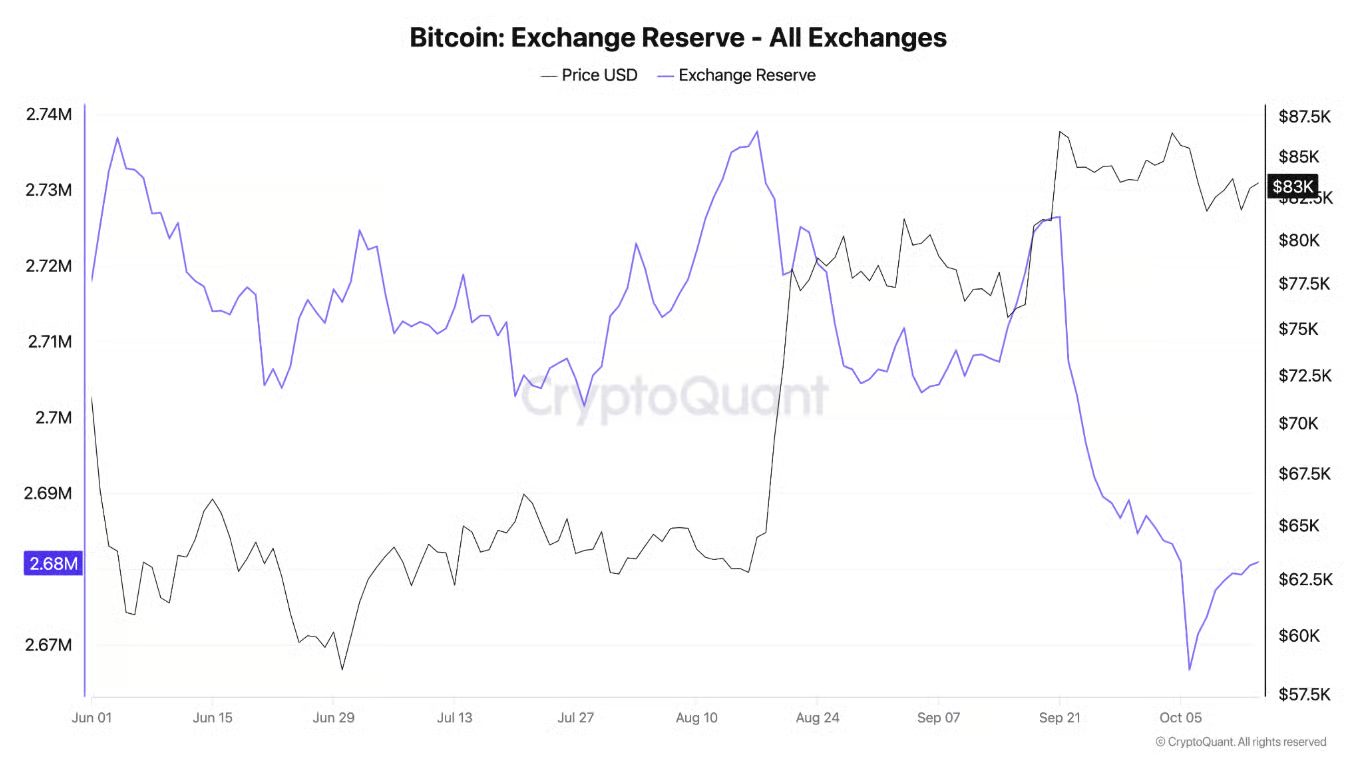
First Signal: Bitcoin Reserves on Exchanges Are Falling
One of the key indicators is the amount of BTC held on cryptocurrency exchanges. According to CryptoQuant, Bitcoin reserves on exchanges fell from 2.726 million BTC on September 20 to 2.68 million BTC in mid-October. That represents a decline of approximately 1.7%.
A smaller amount of Bitcoin on exchanges may indicate that holders are moving their coins into self-custody wallets and do not intend to sell them immediately. However, falling exchange reserves do not automatically mean that the price will rise. Some coins may be moved for other reasons.
Even so, it remains an important signal. If demand strengthens again while the available supply on exchanges continues to decline, sellers could have less room to slow a potential price increase.
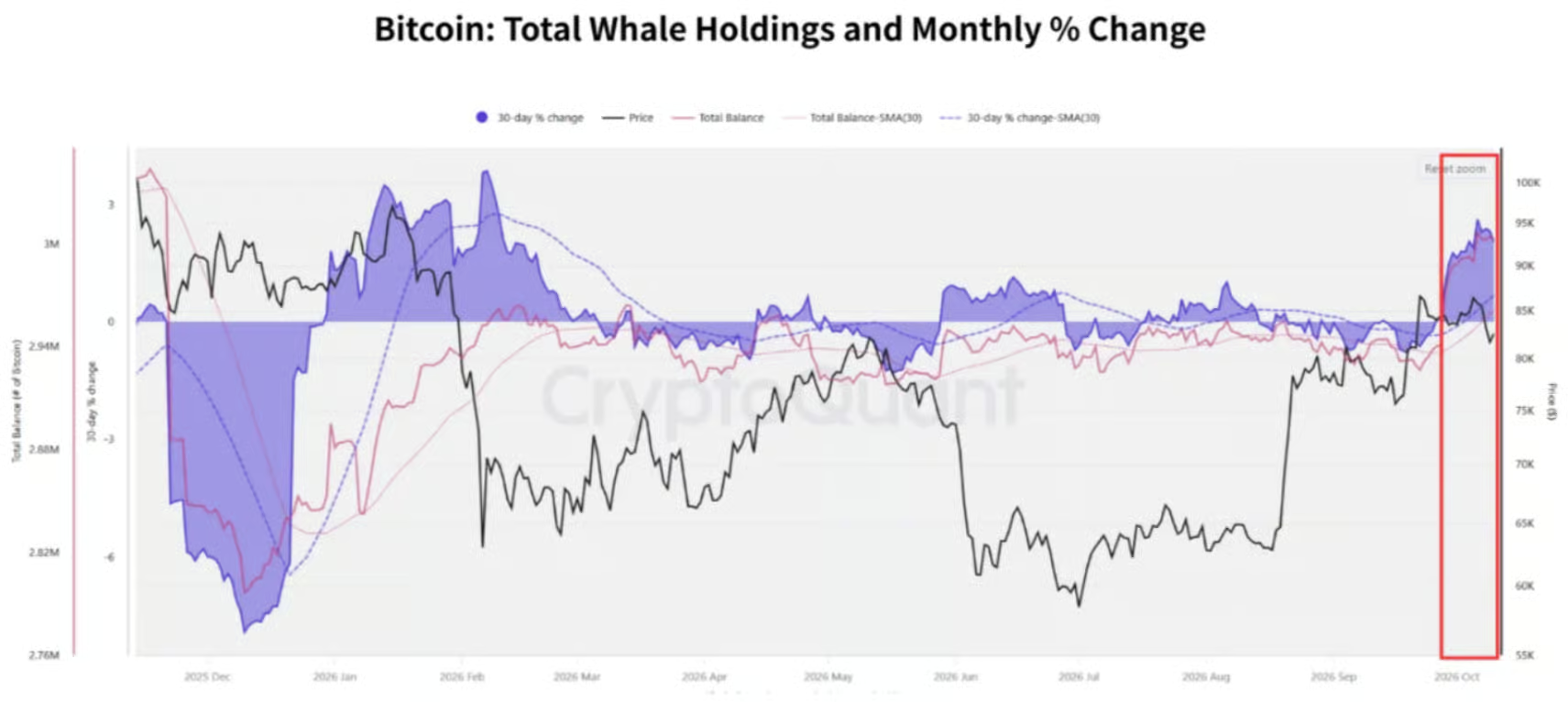
Whales Hold More Than 3 Million BTC
The second indicator tracks the behavior of large investors, commonly known as whales in the cryptocurrency market. According to the analysis, their combined holdings continue to exceed 3 million BTC.
This is particularly notable given the recent price decline. Bitcoin traded at around USD 87,000 on October 2 before falling close to USD 80,000 on October 8. Despite the drop, the monitored data suggest that large holders did not significantly reduce their overall exposure.
Their behavior therefore does not currently indicate a broad retreat from the market. However, it cannot automatically be interpreted as evidence that whales have started buying aggressively. Stable holdings may support a bullish scenario, but they do not by themselves confirm a new accumulation trend.
Third Signal: Bitcoin Demand Is Improving
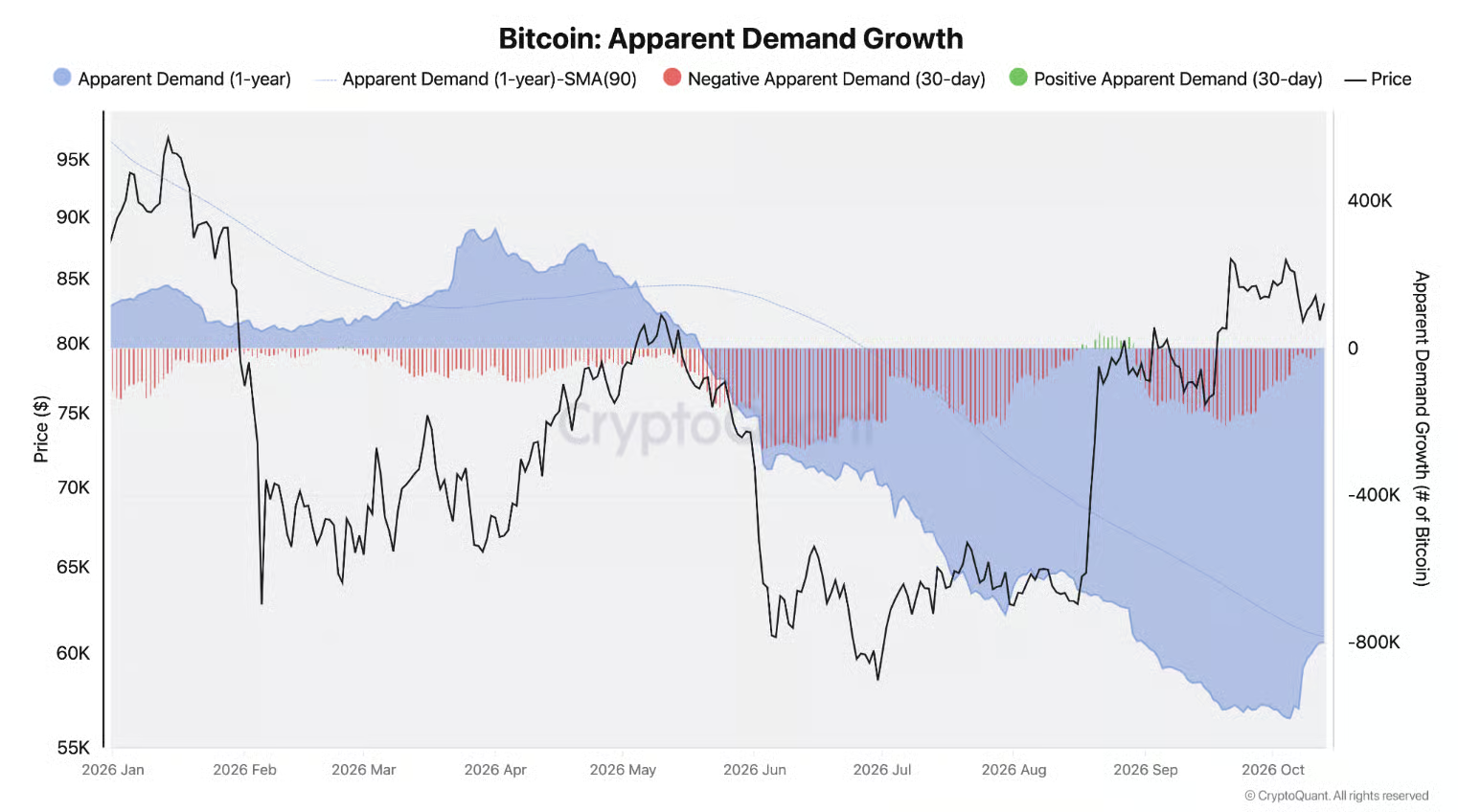
The third indicator tracks so-called Bitcoin apparent demand. This model compares newly mined coins with changes in the supply of long-inactive BTC. It helps estimate whether the market is absorbing new supply or whether demand is lagging behind.
The indicator remained negative for most of 2026. A brief period of positive development appeared in the second half of August, but demand subsequently fell below zero again.
By mid-October, however, the metric had moved closer to neutral levels. This suggests that demand is gradually recovering, although it has not yet provided clear confirmation of a strong upward trend.
Analysts are therefore watching whether the improvement continues in the coming weeks. Capital inflows into spot Bitcoin ETFs and buying activity in the U.S. market could also play a key role.
Uptober Does Not Mean Bitcoin Has to Rise Every Day
October has earned the nickname Uptober among cryptocurrency investors because Bitcoin has historically often delivered above-average returns during the month. Historical statistics, however, do not guarantee that the same scenario will repeat every year.
Crypto asset manager Bitwise recently noted that third-quarter data suggest a possible transition into a new growth phase for the market, which it describes as a “crypto spring.”
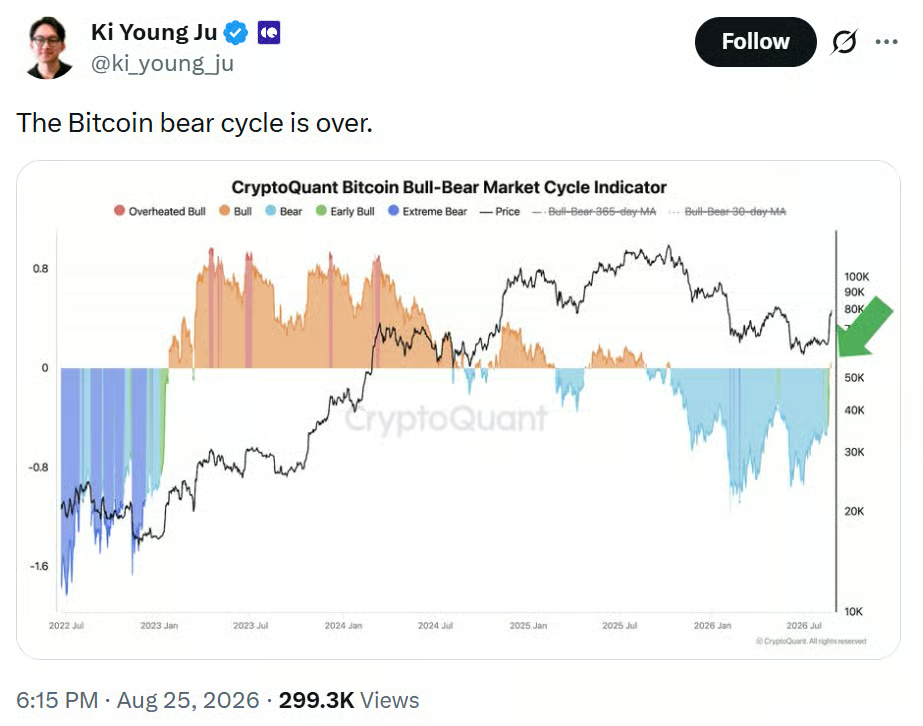
CryptoQuant CEO Ki Young Ju expressed a similar view at the end of August. At the time, he said that in his opinion, the bear market had ended and a new bull cycle was beginning. However, such an assessment remains an analyst’s opinion rather than a confirmed fact.
Even a potential correction can be part of a broader upward trend. If demand stabilizes during the correction and the market absorbs selling pressure, it could create a foundation for further gains. What ultimately matters, however, is the actual price development and capital inflows, rather than the calendar trend itself.
Conclusion: Bitcoin Has a Chance, but It Still Needs Confirmation
The three CryptoQuant indicators provide reasons for cautious optimism. BTC reserves on exchanges are falling, large holders continue to maintain significant exposure, and apparent demand is gradually moving back toward neutral levels. Together, these factors suggest that conditions for the formation of a price bottom may be improving.
However, I believe the next few weeks will be decisive. If Bitcoin fails to reclaim important price levels and ETF inflows remain weak, the current signals may not be enough. On the other hand, sustained fund inflows, stronger buying activity in the U.S. spot market, and a continued recovery in demand would support the bullish scenario.
Uptober therefore may not be over yet, but its continuation is far from certain. Bitcoin does not need to rise every day to retain a chance of finishing the month strongly. First, however, it must convince the market that the recent downturn is truly losing momentum.
