



TikTok is evolving beyond short-form videos. The platform is expanding into restaurant discovery, reservations, shopping and travel. Reports also suggest it is exploring peer-to-peer payments, bringing it closer to becoming a super app that combines multiple everyday services.
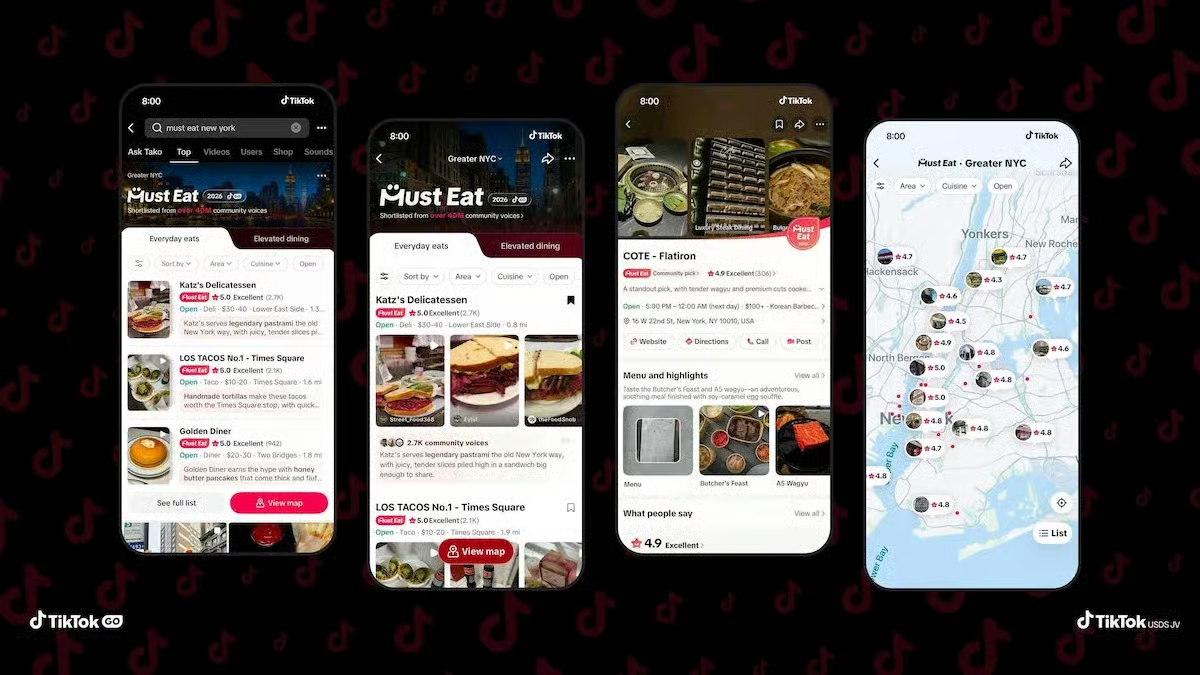
The latest development is Must Eat, a restaurant discovery feature introduced in late October. It draws on more than 40 million posts, reviews and comments to recommend popular dining locations.
From Viral Videos to Restaurant Reservations
Must Eat is currently available in New York, Los Angeles and the San Francisco Bay Area. Users can filter restaurants by cuisine, price, ratings and location.
Selected restaurants also offer direct reservations through OpenTable, connecting viral food content with actual bookings.
The move positions TikTok as a potential competitor to Google Maps and Yelp.
The company is also expanding into travel. TikTok GO allows US users to discover and book hotels, tours and experiences. Meanwhile, TikTok Shop remains central to its e-commerce strategy.
Peer-to-Peer Payments Could Be Next
According to Bloomberg, references to money transfers appeared in the code of TikTok’s US iPhone app in August. The feature could build on TikTok Pay, already used for purchases in parts of Southeast Asia.
However, TikTok said it was not testing the feature, leaving its potential launch uncertain. The company has also applied for authorization to provide payment and lending services in Brazil.
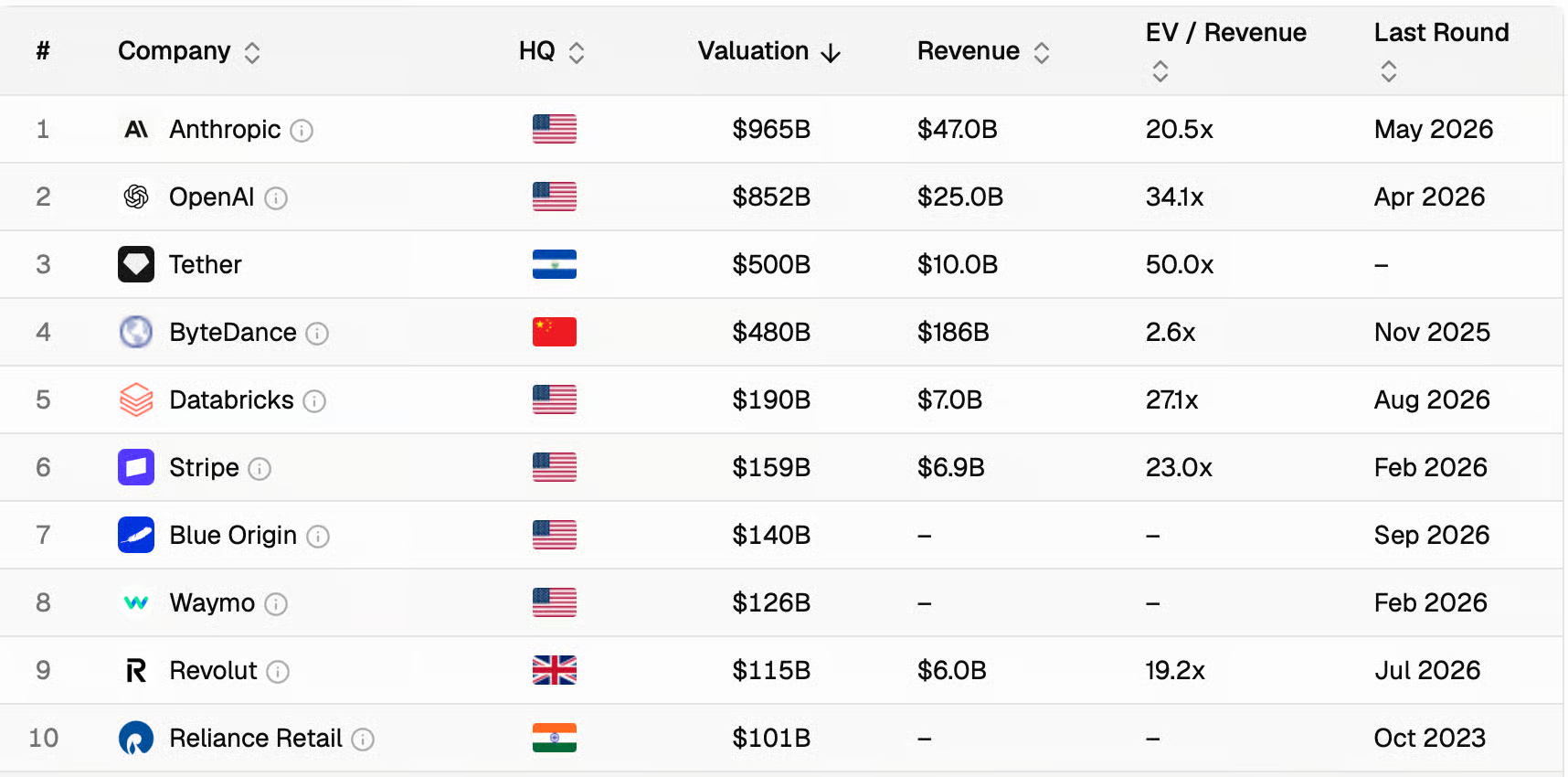
These developments could help TikTok generate transaction revenue while keeping users within its ecosystem. However, integrating financial services also raises concerns about data privacy.
China’s WeChat offers a possible model, combining messaging, payments and other everyday services in a single app.
If successful, TikTok could challenge not only social media platforms but also fintech companies and traditional financial services providers.
For now, no European expansion of its payment services has been announced. Any such launch would need to comply with the region’s strict financial regulations.
