


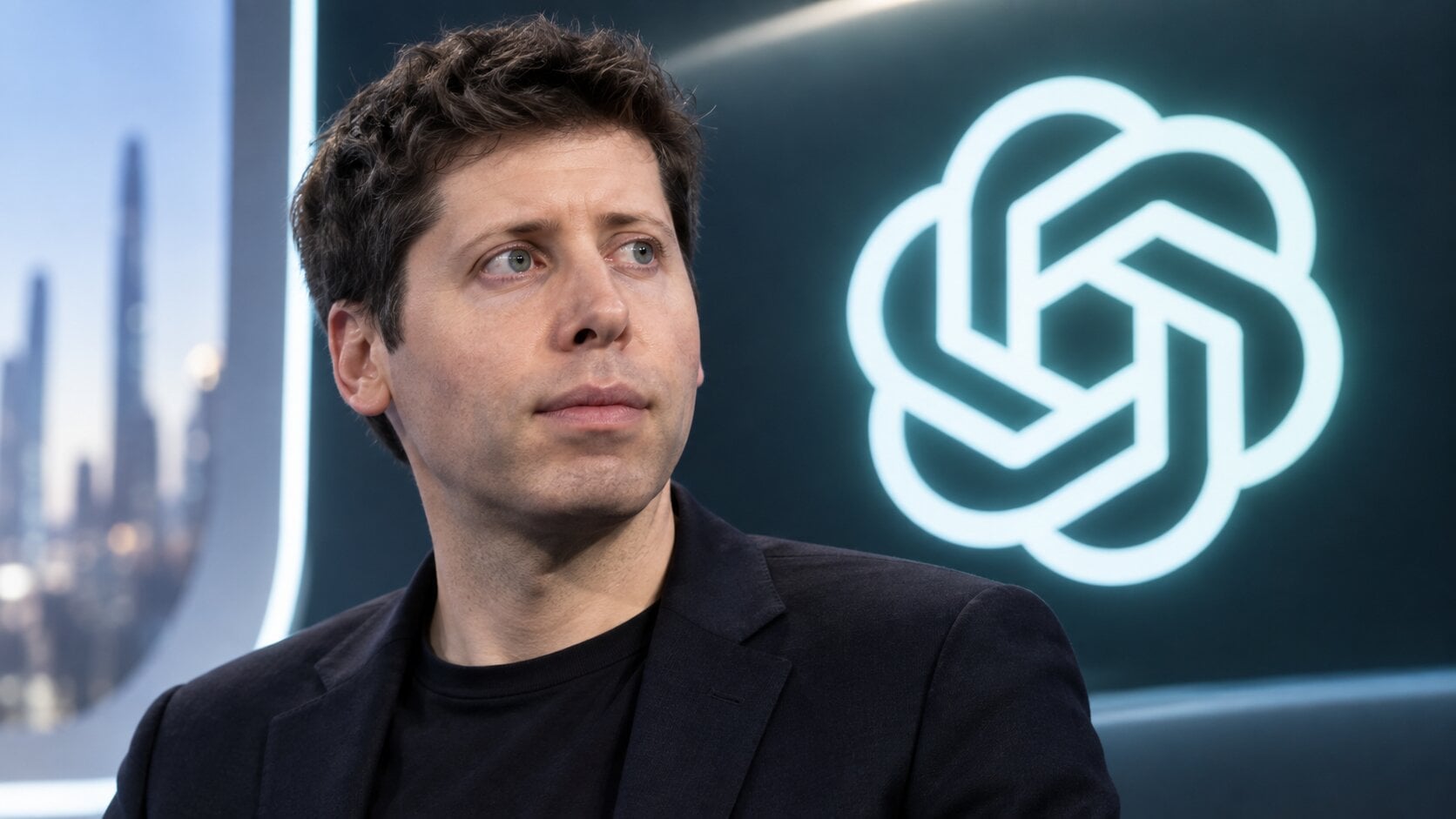
OpenAI is one of the companies that has shaped the modern development of artificial intelligence more than almost any other. Its chatbot ChatGPT has transformed the way people search for information, write software, create content, analyze data and interact with computers. But today’s ChatGPT is the product of more than a decade of research, billions of dollars in investment and several generations of increasingly capable GPT models.
OpenAI was founded in 2015 as an artificial intelligence research organization. Its stated mission was to ensure that future artificial general intelligence, or AGI, would benefit all of humanity.
More than a decade later, OpenAI has become one of the world’s most influential technology companies, with hundreds of millions of people using its products.
Its best-known product is ChatGPT, which was first made publicly available in late 2022. What began as a relatively simple text-based chatbot has gradually evolved into a multimodal AI system capable of working with text, images, voice, the internet, files, computer code and external applications.
What Is OpenAI?
OpenAI is a U.S. artificial intelligence research and technology company.
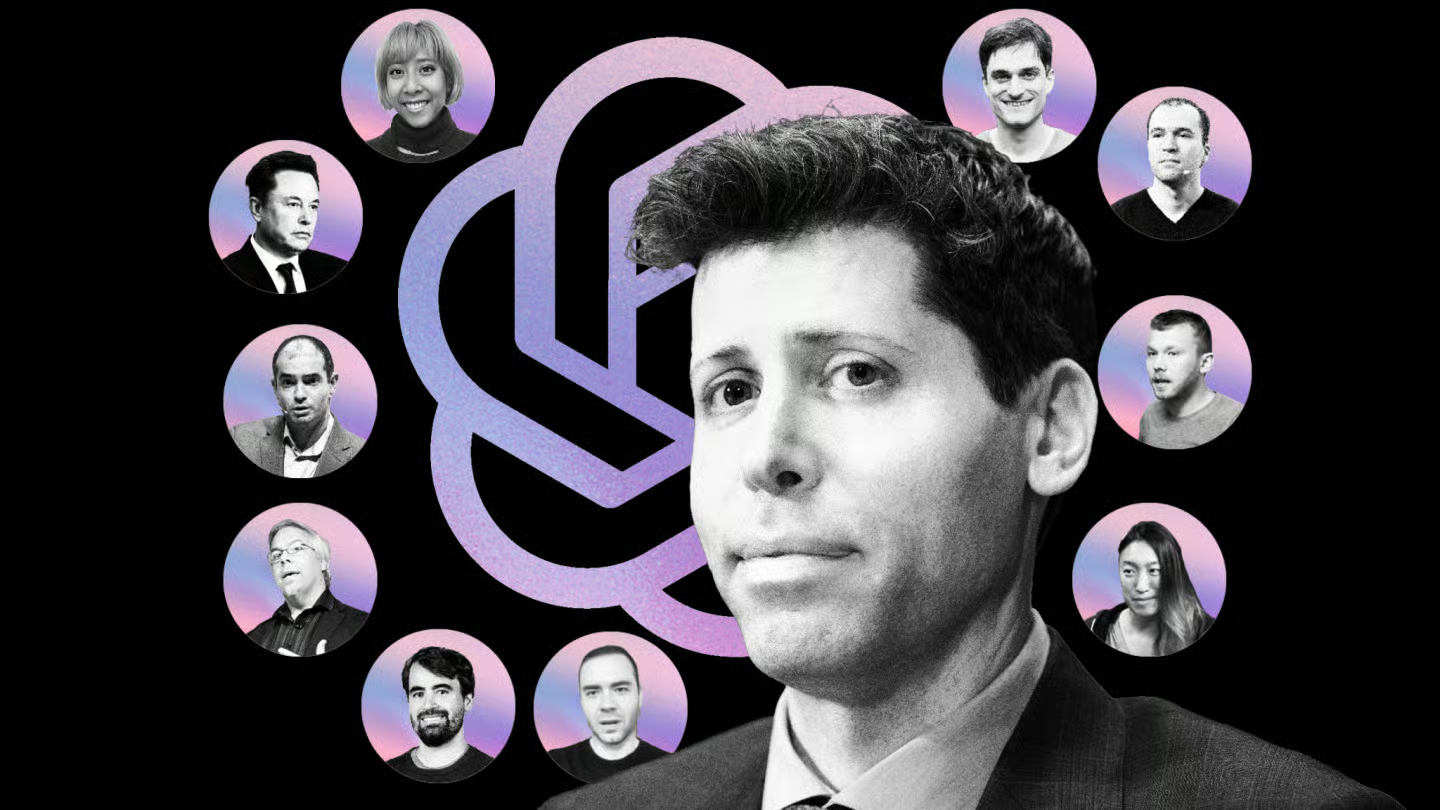
It was founded in December 2015 as a nonprofit organization. Some of the best-known figures associated with its creation include Sam Altman, Elon Musk, Greg Brockman, Ilya Sutskever, John Schulman and Wojciech Zaremba.
At the time of its founding, its backers announced financial commitments totaling roughly $1 billion. Supporters included Sam Altman and Elon Musk, as well as Reid Hoffman, Peter Thiel and Amazon Web Services.
The original idea was relatively straightforward: create a world-class AI research organization whose primary objective would not be maximizing profit, but developing advanced artificial intelligence safely.
It soon became clear, however, that building the world’s most advanced AI systems was extremely expensive.
Training ever-larger models required enormous amounts of computing power, data and highly specialized talent.
In 2019, OpenAI therefore created a commercial entity called OpenAI LP, allowing it to raise outside capital.
The company adopted an unusual structure known as “capped profit”, under which investors could earn returns, but those returns were subject to a limit.
That same year also marked the beginning of OpenAI’s strategic partnership with Microsoft.
From GPT to ChatGPT
The history of ChatGPT began several years before the chatbot itself was launched.
Its technological foundation was the GPT family, short for Generative Pre-trained Transformer.
GPT models are large language models built around Transformer-based neural networks. In simple terms, they learn relationships between words, sentences, code and other information from enormous amounts of data, then use those patterns to predict suitable continuations of an input.
The first GPT model was introduced in 2018, followed by increasingly capable generations.
A major breakthrough came with GPT-3, released in 2020.
GPT-3 demonstrated that increasing model size, training data and computing resources could result in surprisingly broad capabilities.
It could generate text, answer questions, translate languages and write basic computer code.
OpenAI then began focusing more heavily on teaching its models to follow human instructions more effectively.
One of the key techniques was RLHF, or Reinforcement Learning from Human Feedback, which uses human preferences and feedback to improve model behavior.
That work eventually led to ChatGPT.
When Was ChatGPT Launched?
OpenAI launched ChatGPT on November 30, 2022, as a free research preview.
The original version was based on a model from the GPT-3.5 family.
The key innovation was not simply that the AI could generate text. What made ChatGPT transformative was its simple conversational interface.
Users no longer needed to understand APIs or know how to program. They could simply ask questions in much the same way they would communicate with another person.
ChatGPT could also remember earlier parts of a conversation, respond to follow-up questions, correct some of its previous mistakes and refuse certain harmful requests.
OpenAI said at launch that the system had been trained using RLHF.
ChatGPT quickly became one of the defining products of the generative AI boom.
A technology that had previously been discussed largely among researchers and specialists reached mainstream users within a matter of months.
GPT-4 Took ChatGPT Much Further
Another major step came on March 14, 2023, when OpenAI introduced GPT-4.
The model offered significantly stronger reasoning, text-processing and problem-solving capabilities.
GPT-4 was also multimodal, meaning it could accept both text and image inputs.
Around this time, it became increasingly clear that ChatGPT could be much more than a chatbot for generating text.
People began using it for software development, document analysis, education, content creation and data analysis.
The year 2023 was also crucial for OpenAI from a corporate perspective.
Microsoft announced another multiyear investment worth several billion dollars and expanded its cooperation with OpenAI around the Azure cloud platform.
That same year, however, OpenAI experienced one of the biggest crises in its history.
In November, the company’s board removed Sam Altman as CEO.
After several days of intense internal turmoil and opposition from much of the workforce, Altman returned to the role and OpenAI formed a new board.
The episode highlighted the growing tension between OpenAI’s original nonprofit mission and the realities of running a rapidly expanding technology company that required enormous amounts of capital.
From GPT-4o to Models That “Think”
The next major step arrived in May 2024 with GPT-4o.
The “o” stood for “omni.”
This model was designed from the outset to combine text, images and audio in a much more natural way.
With GPT-4o, OpenAI began shifting ChatGPT away from being primarily a text chatbot and toward becoming a more universal digital assistant.
The model could respond to voice input within hundreds of milliseconds, approaching the speed of ordinary human conversation.
Another significant change followed in September of the same year.
OpenAI introduced the o1 model family, designed to devote more computing resources to solving a problem before producing a final answer.
Instead of responding immediately, the model could spend more time working through complex problems and searching for better solutions.
This approach significantly improved performance in areas such as mathematics, programming and scientific reasoning.
The ability to allocate more computing power to reasoning subsequently became one of the most important directions in generative AI development.
GPT-5 Combined Fast Answers With Deeper Reasoning
In August 2025, OpenAI introduced GPT-5.
One of its most important changes was the integration of fast models for everyday questions with more powerful systems designed for difficult tasks.
Depending on the nature of the request, GPT-5 could determine whether a quick response was sufficient or whether more time and computing power should be devoted to the problem.
OpenAI described it as a unified system combining a standard model, a deeper reasoning model and a routing mechanism that decided which one to use.
Development continued at a rapid pace.
In March 2026, OpenAI introduced GPT-5.4, focused primarily on professional work, tool use and agent-based workflows.
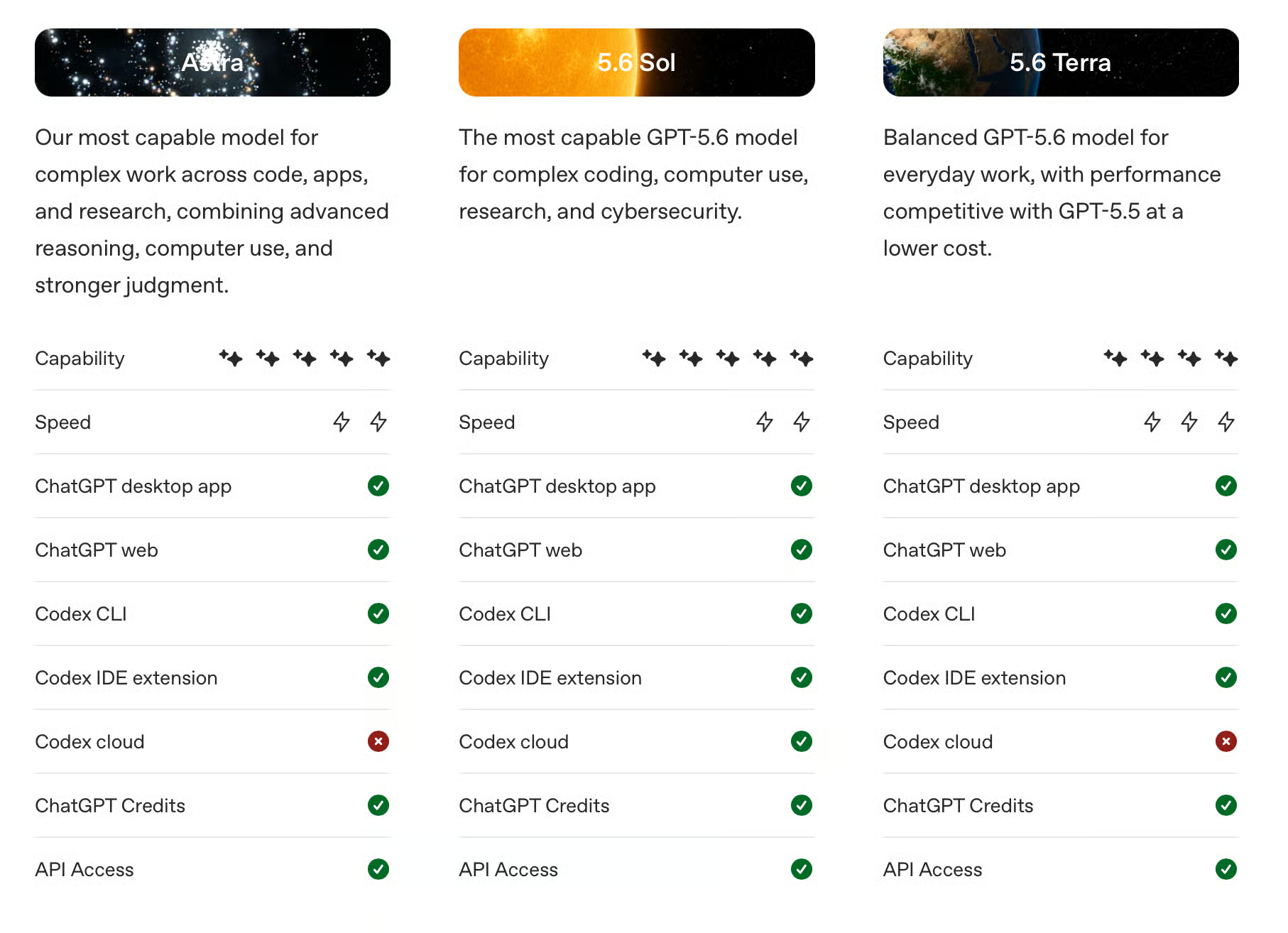
In July, the company followed with the GPT-5.6 family, which was divided into Sol, Terra and Luna models offering different combinations of performance, speed and cost.
At the same time, OpenAI increasingly emphasized a broader shift: models should not merely provide answers, but also carry out work independently.
OpenAI Today: GPT-6 Astra and One Billion Users
As of September 2026, OpenAI’s latest technological generation is GPT-6 Astra.
The model was introduced in early September 2026 and is designed primarily for the most demanding tasks involving reasoning, computer use, web browsing, programming, science and professional knowledge work.
GPT-6 Astra also illustrates just how far the original idea of ChatGPT has evolved.
ChatGPT is no longer simply an interface where a user types a question and receives a text response.
Modern systems can work with tools, websites, files and applications while completing complex, multi-step tasks.
One example is ChatGPT Work, introduced by OpenAI in July 2026.
The system can research information, analyze files, use external applications and produce finished outputs such as documents, spreadsheets and presentations.
Codex has also expanded significantly.
Originally focused primarily on programming, OpenAI began extending its capabilities in 2026 to cover a much broader range of computer-based work.
ChatGPT’s scale has meanwhile reached an entirely different level.
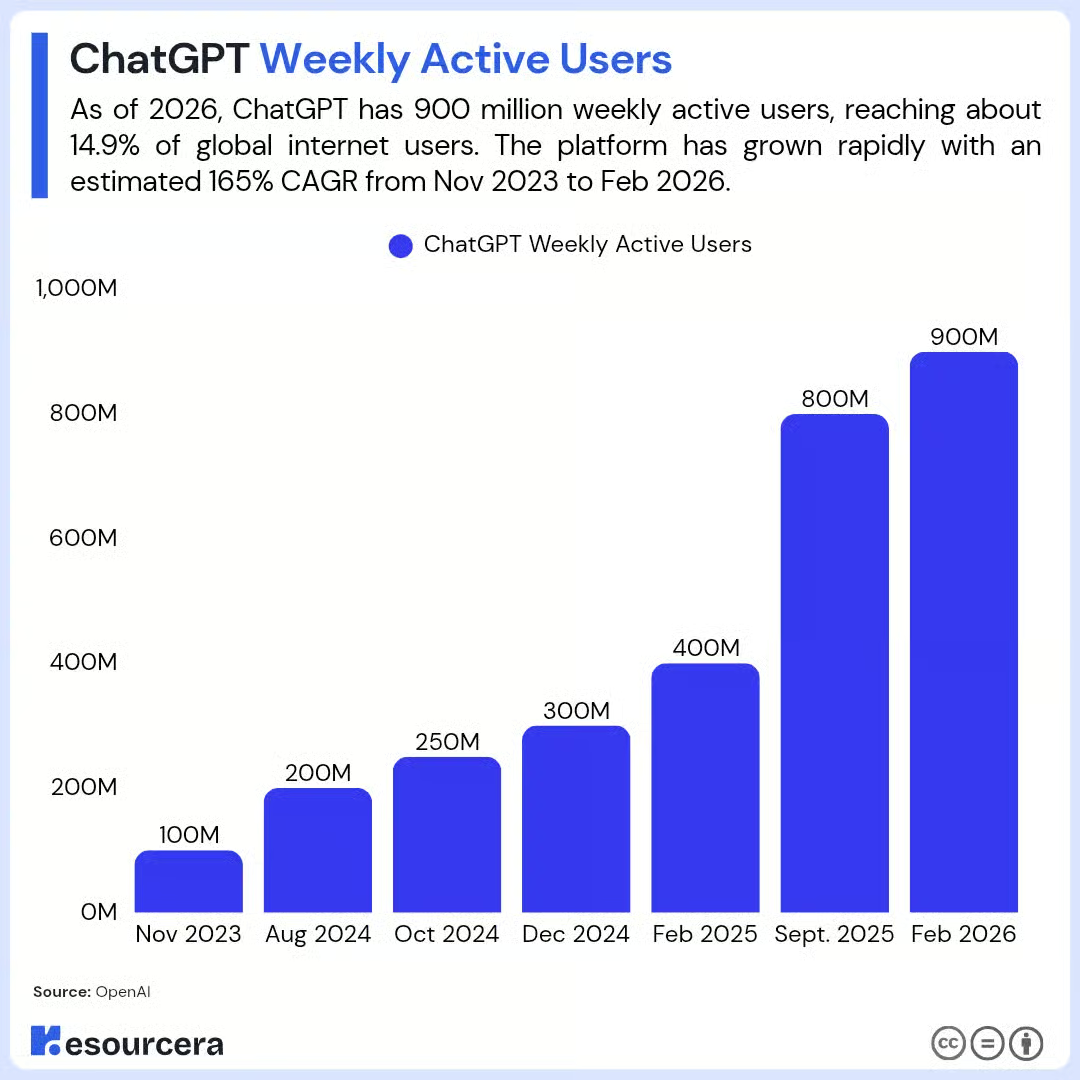
OpenAI reported in 2026 that the service had more than one billion weekly active users, while millions of businesses were using its technologies.
In just a few years, an experimental chatbot had become one of the most widely used artificial intelligence platforms in the world.
How Does ChatGPT Work?
ChatGPT is the user-facing application, while the underlying “intelligence” is provided by GPT models and other OpenAI systems.
Large language models are exposed to enormous amounts of data during training.
They learn to identify statistical relationships and structures within that data.
Text is divided into smaller units called tokens.
A token may represent an entire word, part of a word, punctuation or another fragment of text.
When ChatGPT receives a question, it does not simply retrieve a pre-written answer from a database.
Instead, the model generates a new response step by step, using the context to estimate which tokens should come next.
Modern models, however, are far more sophisticated than simple “next-word prediction.”
During training, they develop internal representations of language, computer code, visual information and relationships between different concepts.
Advanced models also use reinforcement learning and other techniques to improve their ability to solve problems, follow instructions and use external tools.
Today’s ChatGPT does not necessarily rely only on information encoded within the model itself.
Depending on the mode and available tools, it may also search the internet, analyze documents, execute code or work with connected services.
That makes its capabilities substantially broader than those of the original ChatGPT released in 2022.
What Can ChatGPT Do?
ChatGPT’s capabilities vary depending on the model, subscription tier and available tools.
Typical use cases include writing and editing text, programming, data analysis, document processing, studying, translation, research, brainstorming and image generation.
An increasingly important area is AI agents.
While a traditional chatbot generally responds to individual user instructions, an agent-based system can receive a broader objective, divide it into smaller tasks, use available tools and work toward a final result.
This is one of the directions OpenAI has emphasized most strongly in recent product generations.
Instead of asking:
“How should I analyze this dataset?”
a user can increasingly provide the data and say:
“Analyze it and turn the findings into a finished presentation.”
The difference may sound subtle, but from a practical perspective it represents a fundamental shift in how AI is used.
ChatGPT Is Not Infallible
Despite rapid progress, today’s AI models still have important limitations.
One of the best-known problems is hallucination, where a model produces information that sounds credible but is factually incorrect.
An AI-generated answer is therefore not automatically true simply because it sounds confident or professional.
Mistakes can occur when answering factual questions, performing calculations, citing sources or interpreting complex documents.
For important information, it is therefore advisable to rely on primary sources and independently verify AI-generated results.
As AI systems become more capable, new questions are also emerging around security, copyright, privacy, employment and the potential misuse of AI.
According to OpenAI, GPT-6 Astra became the company’s first model to reach a critical capability threshold in cybersecurity under its internal safety framework.
OpenAI therefore introduced additional safeguards during deployment.
As AI capabilities grow, safety is becoming an increasingly important part of the technology’s development.
How Does OpenAI Make Money?
OpenAI’s business model has changed significantly since the company’s founding.
Alongside the free version of ChatGPT, it offers several paid subscription plans for individuals, businesses and institutions.
Another major source of revenue is the OpenAI API, which allows developers to integrate the company’s models into their own applications.
Enterprise products and commercial partnerships also play an important role.
Advertising became another part of the business model in 2026.
At the end of August, OpenAI said its ChatGPT Ads platform had reached approximately $1 billion in annualized revenue less than 200 days after launch.
The company’s need for revenue and investment capital remains enormous.
Training and operating frontier AI models requires data centers equipped with vast numbers of specialized chips as well as significant energy infrastructure.
According to the Financial Times, OpenAI’s annualized revenue exceeded $40 billion in September 2026, while investors were discussing further financing at a potential valuation of around $1.2 trillion.
OpenAI has therefore become not only one of the world’s most important AI laboratories, but also one of the most valuable private technology companies globally.
OpenAI’s Relationship With Microsoft
Microsoft has played a central role in OpenAI’s history since 2019.
It provided both capital and large-scale cloud infrastructure required to train and operate the company’s AI systems.
OpenAI technology was also gradually integrated across Microsoft’s own products.
The partnership, however, has evolved over time.
Following OpenAI’s restructuring in 2025, Microsoft retained a significant stake in the company’s commercial arm.
In April 2026, the two companies revised their agreement again.
Microsoft remained OpenAI’s primary cloud partner and retained a license to OpenAI’s intellectual property for models and products through 2032.
However, the license became non-exclusive, giving OpenAI greater freedom to work with additional infrastructure providers.
Access to computing power is strategically critical for OpenAI.
The availability of chips, data centers and energy has gradually become one of the biggest constraints on further AI development.
Who Owns OpenAI?
OpenAI has an unusual corporate structure.
The company began as a nonprofit, later created a commercial entity and then significantly reorganized its structure again in 2025.
The nonprofit organization now operates as the OpenAI Foundation, while commercial activities are handled by OpenAI Group PBC, a Public Benefit Corporation.
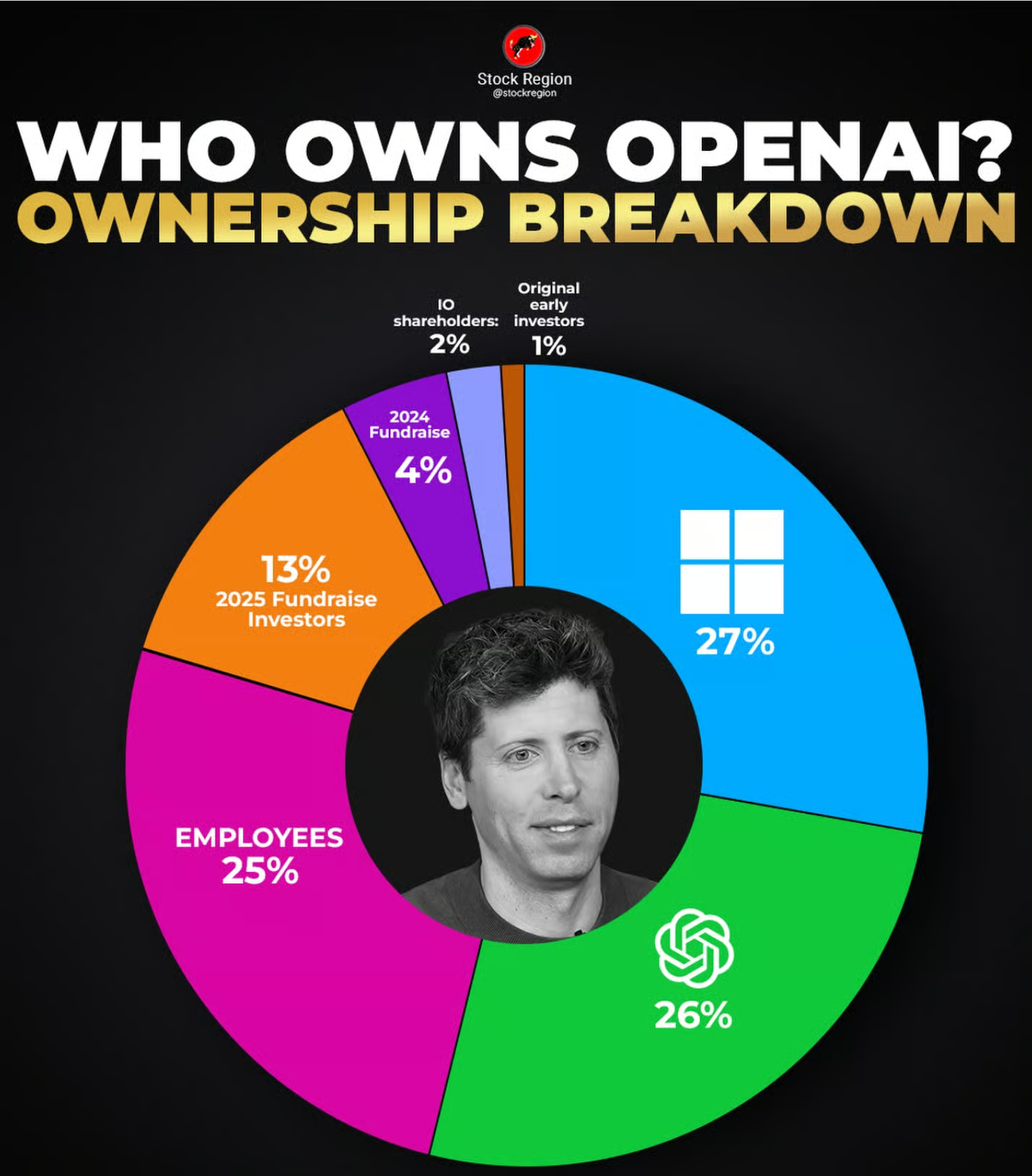
The OpenAI Foundation continues to control OpenAI Group while also holding a substantial economic stake in the business.
When the restructuring was completed in October 2025, OpenAI valued the foundation’s stake at approximately $130 billion.
According to the company, the purpose of this structure is to combine the ability to raise vast amounts of capital with OpenAI’s original mission.
That mission remains the development of AGI that benefits all of humanity.
What Is AGI and Why Does OpenAI Talk About It So Much?
AGI, or Artificial General Intelligence, refers to a hypothetical form of AI capable of performing a broad range of intellectual tasks rather than being specialized for a narrow set of problems.
There is no universally accepted definition of AGI.
OpenAI describes its long-term mission as ensuring that artificial general intelligence benefits all of humanity.
The discussion around AGI is not only technological, but also economic.
If AI systems were able to independently perform a substantial share of knowledge work, they could have major effects on corporate productivity, employment and the broader economy.
Whether true AGI will emerge, when it might happen and what form it would take all remain open questions.
OpenAI’s Biggest Competitors
OpenAI is far from the only company developing frontier AI models.
Its most prominent competitors include Google DeepMind with Gemini, Anthropic with Claude, xAI with Grok, as well as a growing number of other U.S. and Chinese AI labs.
Open and partially open AI models are also becoming increasingly important.
The competitive race is therefore no longer only about which company can build the most intelligent model.
Price, speed, energy efficiency, access to computing infrastructure, tool use, enterprise integration and the ability to turn AI technology into a sustainable business are all becoming increasingly important.
The economics of AI may ultimately prove just as important as model benchmarks themselves.
The Future of ChatGPT
ChatGPT is evolving from a system that answers into a system that can act.
The first generation of generative AI focused largely on creating text.
The next added images, voice and file handling.
Reasoning models improved the ability to solve difficult problems, while today’s AI agents can use computers, applications and other external tools.
The next step may be the growing automation of entire knowledge-work processes.
Instead of sending a series of individual prompts, users may increasingly define the result they want.
The AI can then plan the necessary steps, gather information, use the appropriate tools and deliver a finished output.
This may ultimately represent the technology’s greatest economic potential.
In little more than a decade, OpenAI has transformed from a small nonprofit research laboratory into one of the most important companies in the global technology industry.
During the same period, ChatGPT evolved from an experimental chatbot into a platform through which more than one billion people interact with artificial intelligence every week.
The next stage of ChatGPT’s development may reveal whether generative AI becomes primarily an extraordinarily capable assistant — or the foundation of an entirely new way of working with computers.
