How the Iran Conflict Disrupts Global Markets and Trading Strategies
The Iran conflict is rewriting the rules of wartime trading. Discover why the "buy the dip" strategy faces new challenges and how asymmetrical risks are disrupting global markets and traditional investment cycles.
Market unpredictability remains high, and the global economic situation is deteriorating across several fronts. Investors and traders face a very complex situation where traditional strategies are being put to the test. Historically, events categorized as external shocks followed a relatively predictable trajectory, but the modern environment has rewritten the rules.
The philosophical foundation for trading such crises was laid by the famous stock market psychologist André Kostolany. He famously suggested that the optimal time to buy stocks was when "the Germans conquered Paris."
The principle is simple: buy when everyone else is panicking and liquidating their positions. While war often prompts a withdrawal into cash, every conflict eventually ends, ushering in a period of massive reinvestment and a "rosy future."
In recent years, however, the period of fear has significantly shortened. Since the 2022 invasion of Ukraine, trading conflicts has become difficult for two primary reasons: the prevailing "buy the dip" mentality and the market's automatic expectation of a swift recovery.
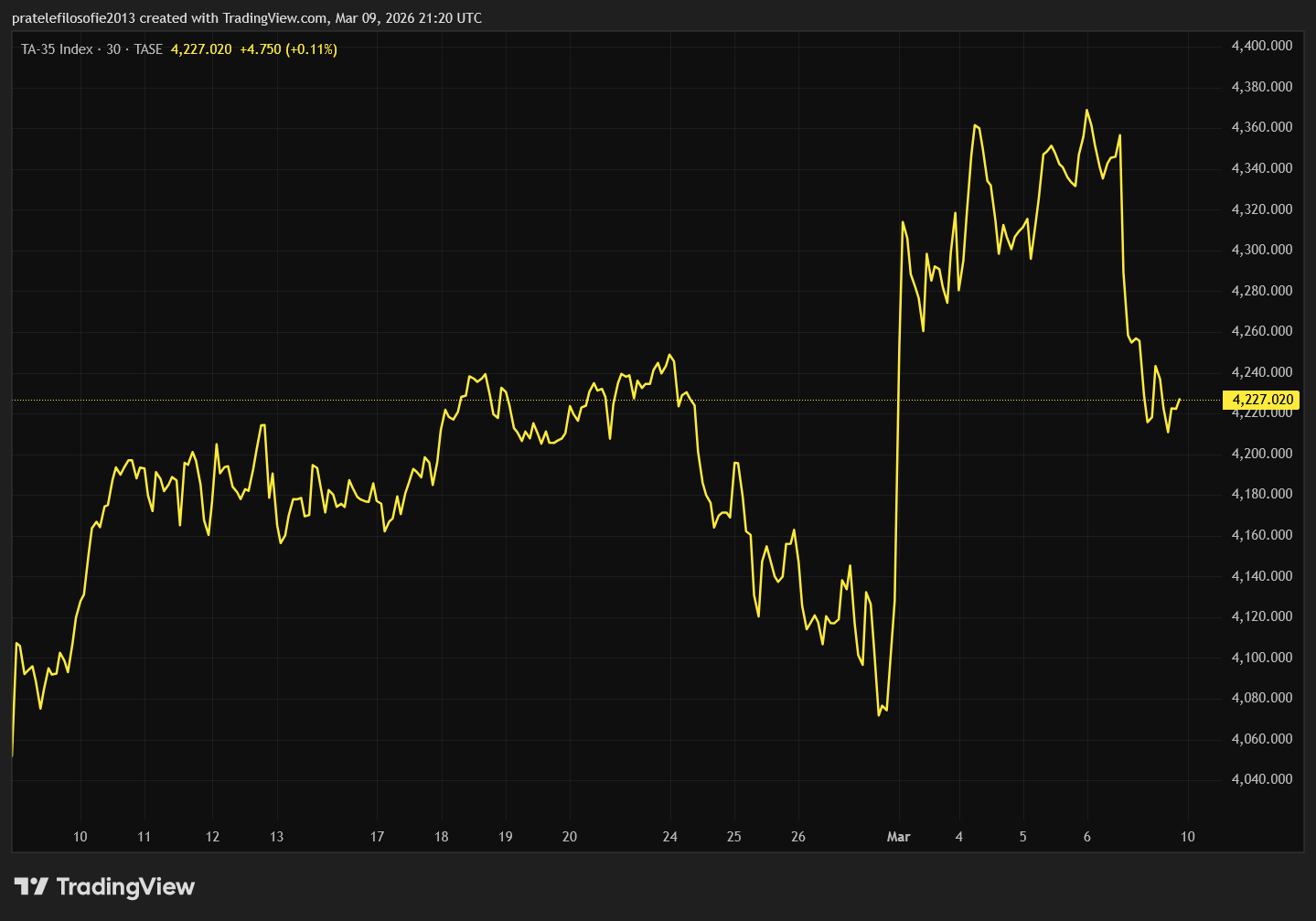
Current Market Paradox: On the very first trading session following recent escalations, the Tel Aviv stock exchange actually rose. This irrational behavior suggests an excess of short orders and a market that is increasingly difficult to read through a traditional lens.
The Erosion of Political Illusions
The first layer of risk is political. US markets initially operated under the assumption that Donald Trump would resolve the conflict quickly, similar to his handling of Venezuelan President Maduro. However, this scenario is crumbling. The White House has admitted that while operations were successful in liquidating opponents, they also removed potential candidates for a cooperative new regime.
Key concerns regarding the duration of the conflict include:
- Timeline Expansion: Initial estimates of a four-week operation have already shifted toward six weeks or more.
- Congressional Approval: Any continuation of military intervention must pass through a tense Congress with no clear ultimate goal.
- Iranian Resilience: Iranian leadership claims the ability to wage war for at least six months, a timeframe that would be catastrophic for global markets.
Oil, Logistics, and the Insurance Nightmare
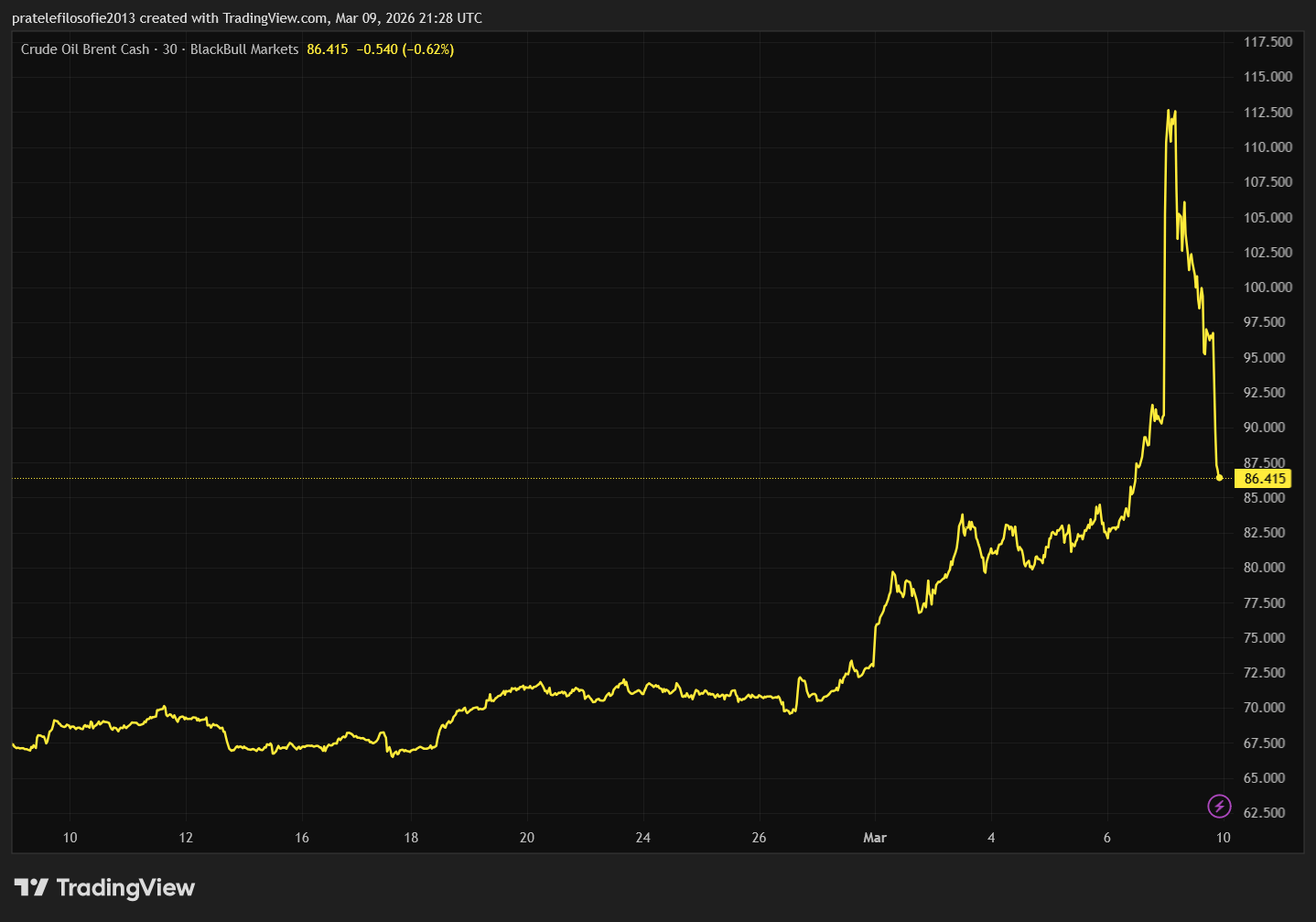
The second level of risk involves energy prices. High oil and fuel costs are a nightmare for any US politician, yet there appears to be no "Plan B" regarding the current escalation. While high prices benefit the US trade balance through exports, they also disproportionately benefit Russia, creating a geopolitical blind spot.
The Struggle for the Strait of Hormuz
The White House is desperately trying to keep the Strait of Hormuz operational. A major hurdle is tanker insurance; even without a formal closure, soaring insurance premiums can make maritime transport economically impossible. Furthermore, modern drone warfare makes ensuring safe passage nearly impossible without a direct ground presence, which the US currently rules out.
Production Risks: Storage facilities in Qatar and Kuwait are nearing capacity because oil cannot be moved. Once production stops, restarting it takes more than two weeks, leading to supply shocks that take months to absorb.
Vulnerability of European Energy and Tech
European natural gas is in even more precarious territory. While oil prices rose by 30%, liquid gas prices shot up by over 60% on the Amsterdam exchange. With European storage at ten-year lows and pipelines from Norway and Africa working at maximum capacity, Qatar’s potential absence creates a void that is nearly impossible to fill.
The Helium Threat to the Semiconductor Industry
Beyond energy, the Strait of Hormuz is a vital artery for industrial commodities like helium. Qatar produces 30-40% of the world's supply, and the South Korean tech industry—specifically giants like Samsung Electronics and SK Hynix—depends on this region for 70% of its imports. Helium is critical for cooling during chip manufacturing.
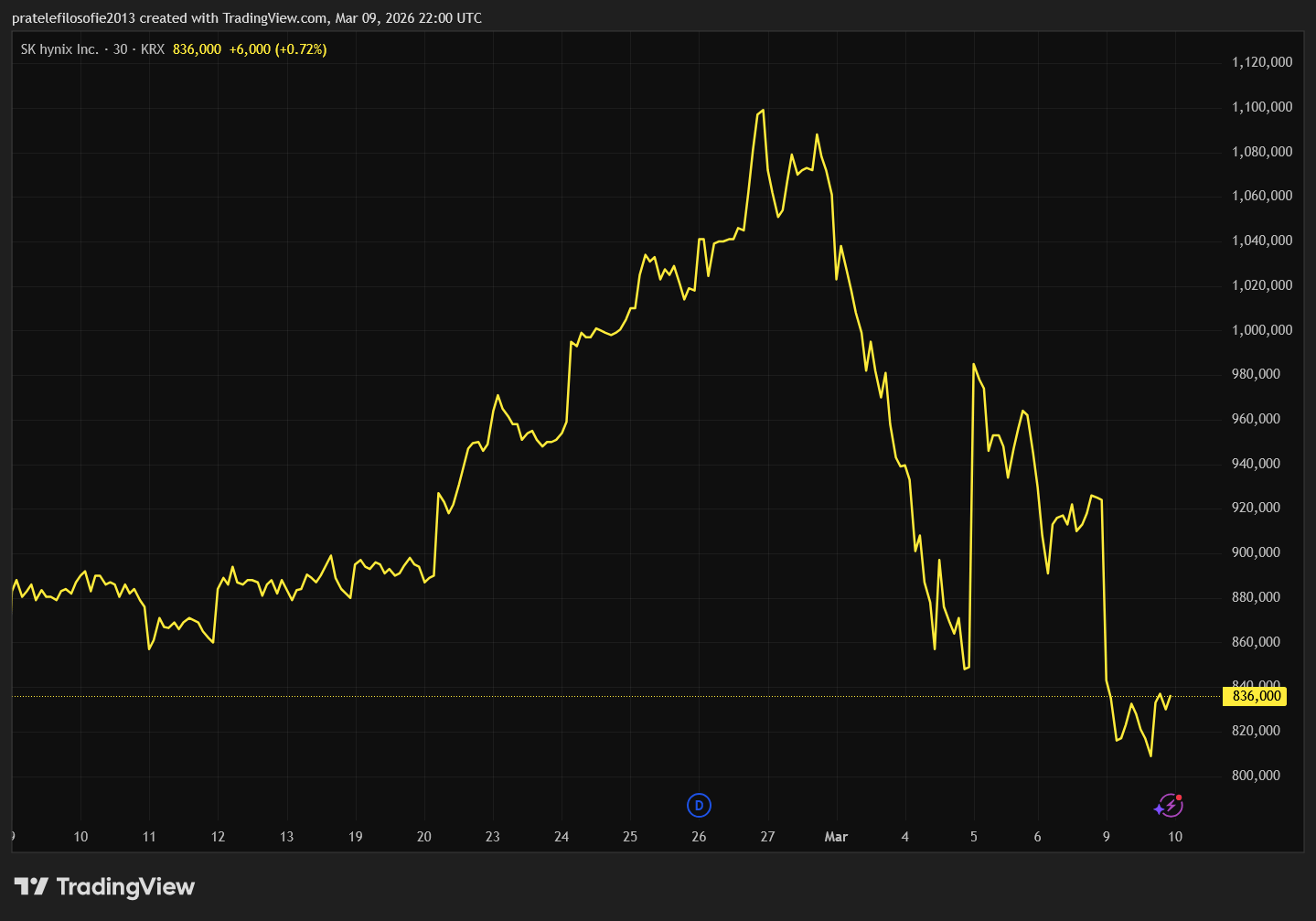
If helium supplies are cut, the resulting hardware shortage would hit AI leaders like Nvidia, potentially paralyzing the global artificial intelligence sector.
The Sovereign Wealth Fund Domino Effect
The escalation also threatens the real estate and tourism sectors in Dubai and surrounding emirates. A collapse in these markets would force global banks to absorb astronomical losses. More dangerously, Middle Eastern petro-monarchies might be forced to liquidate their sovereign wealth funds (like the PIF or QIA) to stabilize their domestic economies.
A sudden, trillion-dollar sell-off of foreign assets by these funds would be a massive shock to already strained global equity markets.
Glimmers of Hope: Gold and Bonds
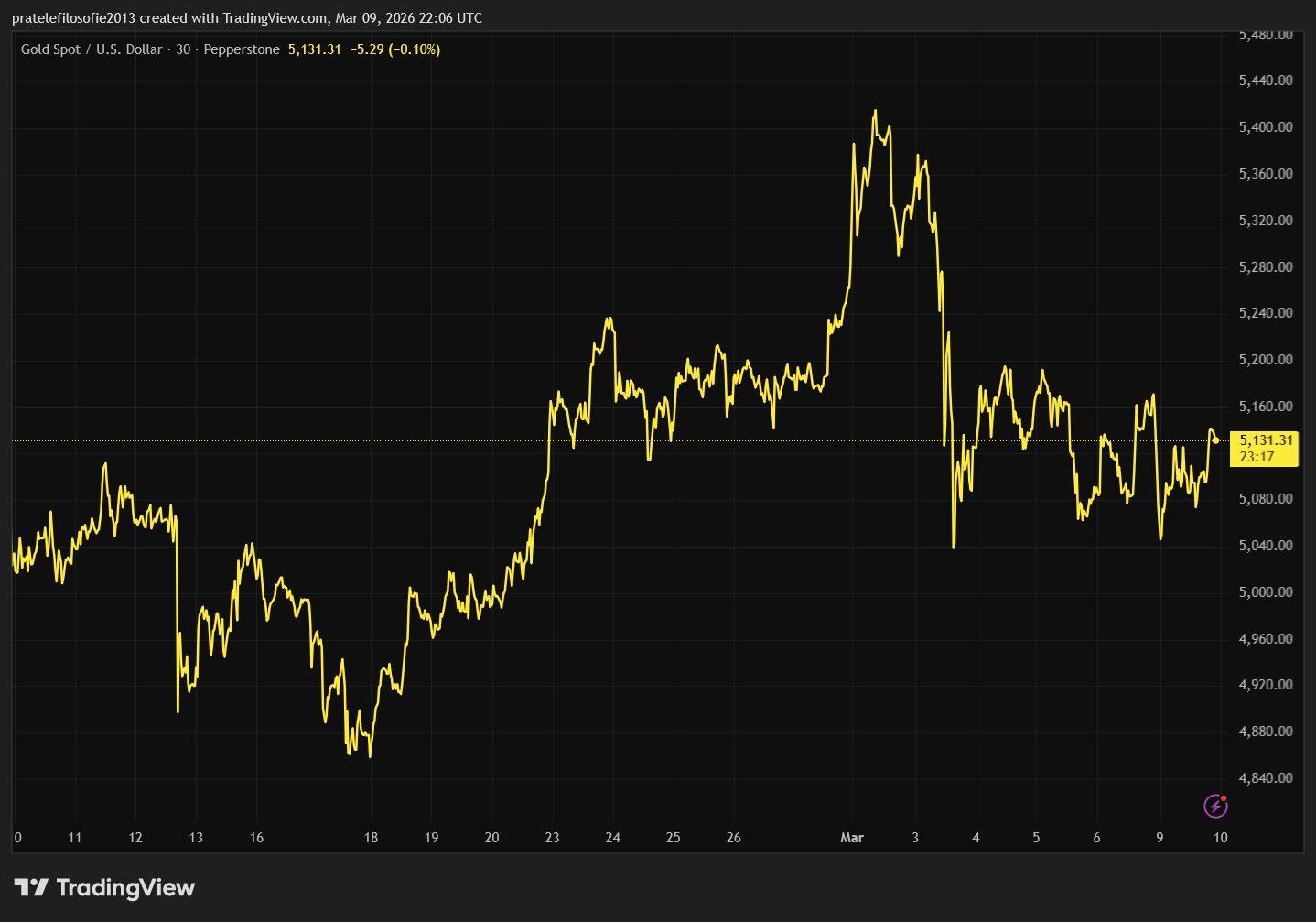
Despite the risks, some indicators offer a more optimistic outlook. The price of gold has not surged past the $6,000 mark as some expected; in fact, it has weakened due to the strengthening of the US dollar. This suggests that investors do not yet view a "World War III" scenario as a reality.
The bond market will likely be the ultimate decider. If rising energy prices and falling stocks drive yields higher, the economic pressure may force a political "U-turn" and a de-escalation of the conflict.
Market Outlook Summary
- US Markets: Showing strong resilience due to the heavy weighting of tech giants like Microsoft and Apple.
- European/Asian Markets: Extremely vulnerable due to their total dependence on external energy supplies.
- Currency: The US dollar remains the preferred "safe haven" alongside the Swiss franc.
Frequently Asked Questions
Why are markets not reacting traditionally to the war?▼
I first became interested in investing in 2013, when I bought my first stocks. Through my studies of philosophy, I gradually became interested in political questions. This interest in political developments eventually led me to a deeper understanding of what is happening in financial markets. I have published my reflections in various Czech media outlets (Euro, Česká pozice, Ekonom, Hospodářské noviny, Novinky) as well as in international publications. Understanding the world of finance and being able to interpret it is today essential not only for understanding the financial system itself, but also the world around us. Connecting events and analyzing developments from multiple perspectives is my passion. In my free time, I focus on popularizing philosophy on the YouTube