



Meta has spent more than a decade looking for ways to reduce its dependence on smartphones and platforms controlled by other companies.
After its underwhelming push into the metaverse, the company is now shifting its focus toward a device that could feel more natural than a headset while becoming far more capable than ordinary eyewear. That device is smart glasses.
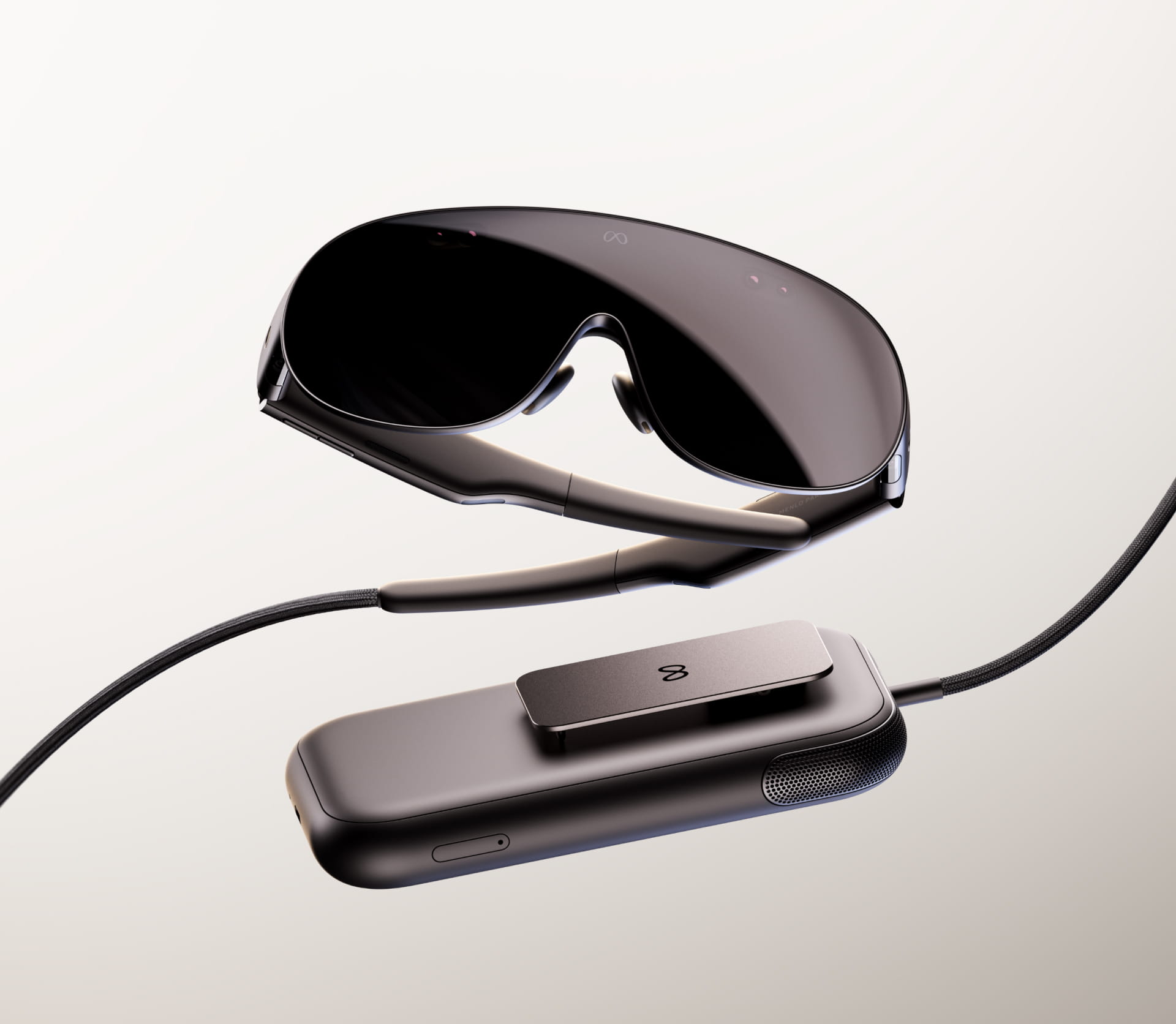
One of the most important additions is Meta VR Glasses, which are expected to launch in spring 2027 for $1,299.99. They weigh roughly 100 grams, while much of the computing hardware and battery are moved into a separate module connected by cable. The glasses feature a 5K micro-OLED display, eye and gesture controls, and the ability to work across multiple virtual screens, watch movies, or play games without traditional controllers.
Glasses Could Become the New Home for AI
More important than the hardware itself is its integration with artificial intelligence. Meta wants to bring its personal AI agent Muse directly into its glasses, turning it into more than just a chatbot.
Muse is designed to work with context, plan tasks, and respond to what the user is seeing in the real world. Meta’s newly introduced Muse Wonder models are expected to push this strategy further by enabling agents to handle more complex and longer-term tasks.
Meta is also expanding its lineup of lighter glasses designed for everyday use. Ray-Ban Meta Audio, launched on October 13 for $349, do not include a camera. Instead, they feature microphones, speakers, AI access, and battery life of up to 12 hours.
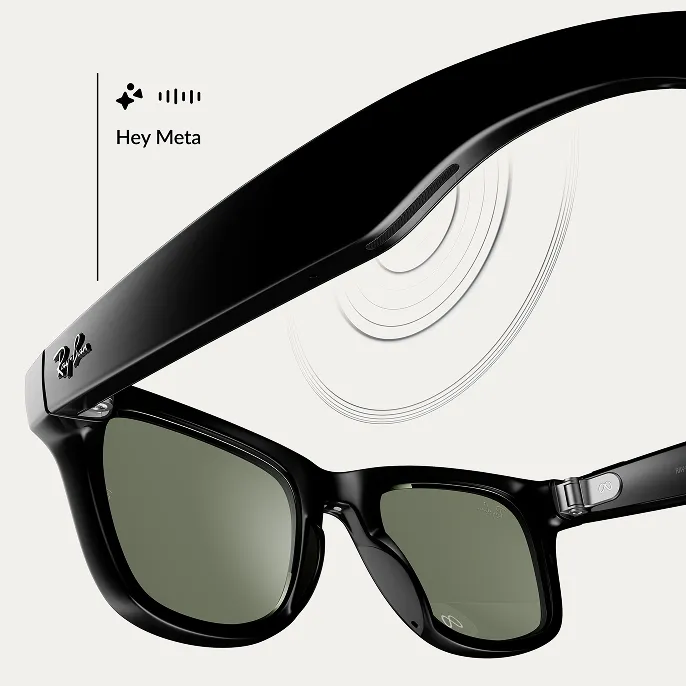
Removing the camera could also help address privacy concerns that have become one of the biggest obstacles facing smart glasses.
Meta Does Not Want to Miss the Next Computing Platform
The strategy also makes sense from a market perspective. EssilorLuxottica said it sold more than 7 million AI glasses in 2025, while IDC estimated that Meta held almost 69% of the XR devices and smart glasses market in the second quarter of 2026.
But the financial risk remains enormous. Reality Labs, the division responsible for Meta’s VR and AR hardware, reported an operating loss of $4.62 billion in the second quarter of 2026 on revenue of just $431 million.
Meta is therefore betting billions of dollars on the idea that the next major computing platform will not sit in people’s pockets, but directly in front of their eyes — and that this is where users will increasingly interact with artificial intelligence.
