


Elon Musk has opened the door to one of the largest deals in the history of the technology sector. The boards of Tesla and SpaceX have established independent committees to evaluate a potential merger. If the companies eventually combine, they could create a business with a market capitalization of approximately $3.5 trillion. However, no agreement has been reached, and discussions remain at an early stage.
Why Musk Wants to Combine Electric Vehicles and Space Technology
During Tuesday’s earnings call, Musk described the potential merger as a good idea. According to him, Tesla and SpaceX now share much more than the same CEO. Both companies are increasingly focused on artificial intelligence, semiconductor development, and robotics.
One example is Terafab, a joint project aimed at developing large-scale semiconductor manufacturing capabilities for autonomous vehicles, humanoid robots, and computing infrastructure.
The companies have also collaborated on the next-generation Tesla Roadster, incorporating technology developed by SpaceX. A merger could make it easier to finance expensive projects while connecting the Starlink satellite network with other parts of Musk’s business empire.
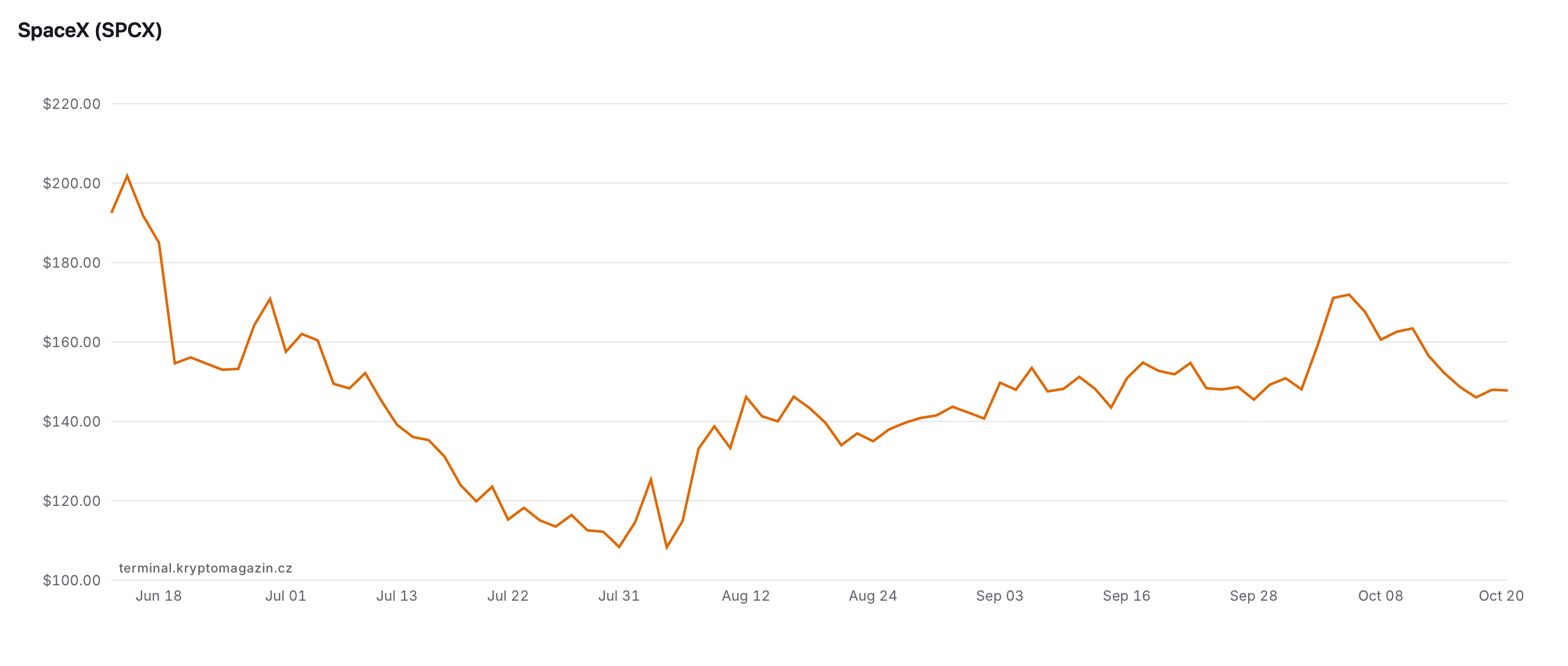
SpaceX currently has a market valuation of approximately $2 trillion, while Tesla is worth nearly $1.5 trillion. Combining the two companies could therefore create one of the world’s most valuable corporations.
Musk is not participating directly in the committee negotiations because of potential conflicts of interest. He also emphasized that no agreement on transaction terms has been reached. Any merger would require shareholder supportand would likely face regulatory scrutiny.
SpaceX Profits From the Artificial Intelligence Boom
The potential merger comes as SpaceX rapidly transforms its business model. The company reported third-quarter revenue of $14.6 billion, representing year-over-year growth of 161%. Net income reached $4.4 billion, compared with a loss during the same period last year.
Artificial intelligence has become a major growth driver. Revenue from computing capacity rentals and other AI-related services reached approximately $7.6 billion, while the Starlink satellite internet business generated $5.2 billion.
However, the proposed merger would also introduce significant risks for investors. Building AI data centers requires enormous capital investments, and SpaceX expects capital expenditure of between $35 billion and $40 billion in the fourth quarter alone.
Tesla shareholders would gain exposure to SpaceX’s rapidly expanding space and AI operations, but they would also assume some of the financial burden associated with these ambitious projects.
Whether the potential benefits outweigh the risks remains an open question. The final decision will depend on negotiations between the independent committees and the approval of shareholders.
