



Smart ring maker Oura has postponed its planned Nasdaq debut. The company decided to wait amid growing uncertainty in financial markets, despite saying investor demand for the offering was strong. Oura had formally launched the IPO process only on September 21.
Oura originally planned to offer a total of 50 million shares at a price range of USD 40 to USD 44 per share. The offering could therefore have raised as much as USD 2.2 billion, while at the top end of the range, the company’s fully diluted valuation would have reached approximately USD 15.6 billion.
The company has not yet set a new date for its stock market debut. CEO Tom Hale said an IPO is only one step in the company’s long-term development and that Oura’s current business position gives it the flexibility to wait for a more favorable moment.
Oura is growing rapidly and is already profitable
The IPO postponement is not the result of deteriorating financial performance. For the nine months ended June 30, 2026, Oura reported revenue of USD 1.21 billion, representing year-over-year growth of approximately 74%. Net income reached USD 60.8 million, compared with just USD 1.6 million during the same period a year earlier.
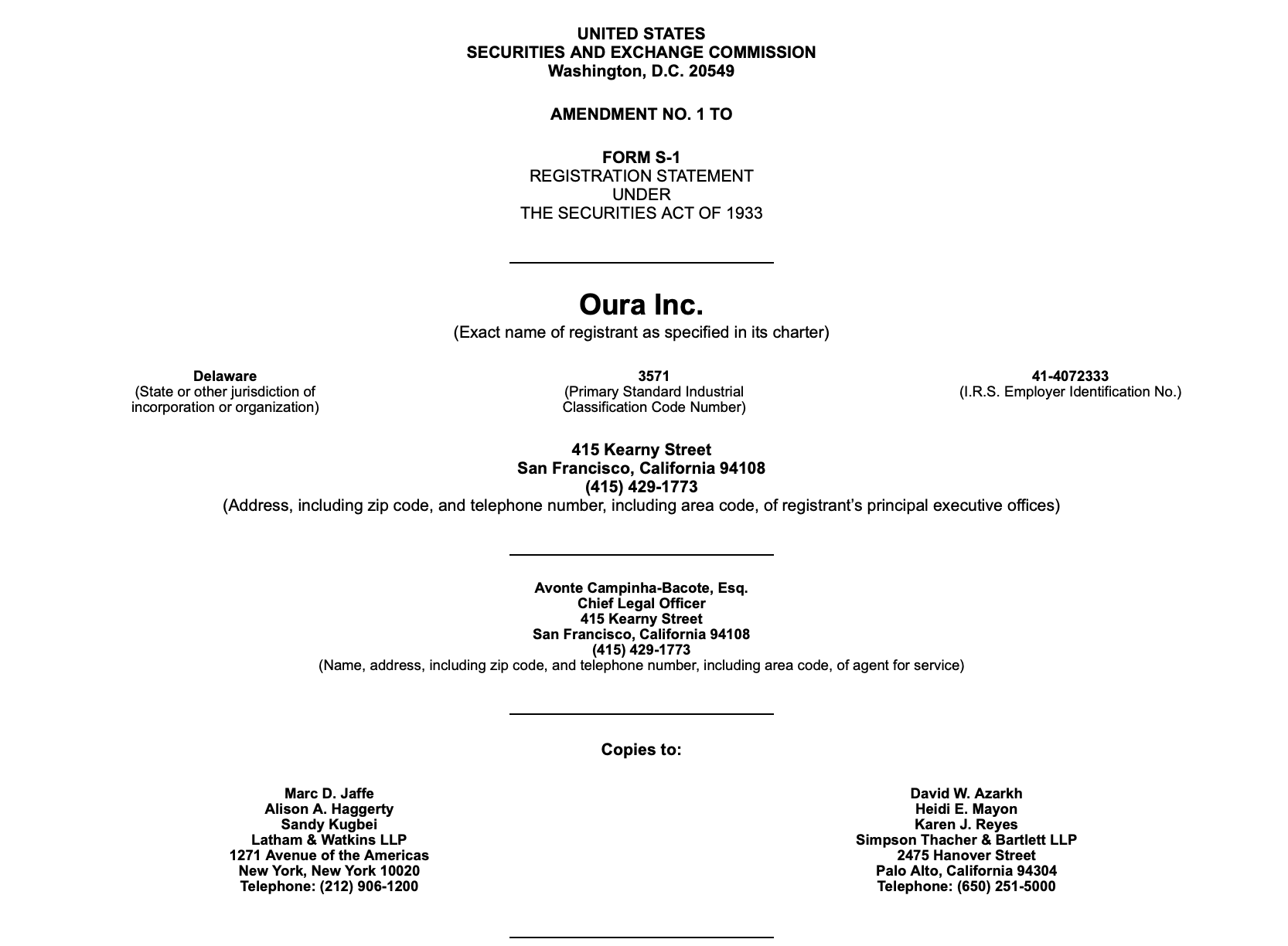
Oura expects its revenue to increase by approximately 90% for the full 2026 fiscal year. Its subscriber base is also expanding rapidly. The company estimates that it will end the fiscal year with around 5.7 million paying members, nearly double the previous year’s figure.
Founded in Finland in 2013, Oura has gradually become one of the best-known smart ring manufacturers. Its devices track metrics including sleep, activity, stress and indicators related to heart health, with the collected data integrated into a paid app.
Nervousness is spreading to the IPO market
Oura is not the only company to reconsider its plans to go public. In recent weeks, the U.S. IPO market has been hit by rising government bond yields, concerns about further interest rate increases, geopolitical tensions and increased volatility in technology and AI stocks.
In September, nuclear energy company Holtec Nuclear also put its planned IPO on hold. Investors have become significantly more selective in the current environment and are increasingly questioning the high valuations of fast-growing companies.
Oura’s situation is particularly notable because, according to available information, the offering was approximately four times oversubscribed. The postponement therefore suggests that the company does not want to enter the public market in an environment where volatility could put pressure on its share price immediately after the debut. Thanks to its rapid growth and profitability, Oura has more room to wait for more favorable market conditions.
