


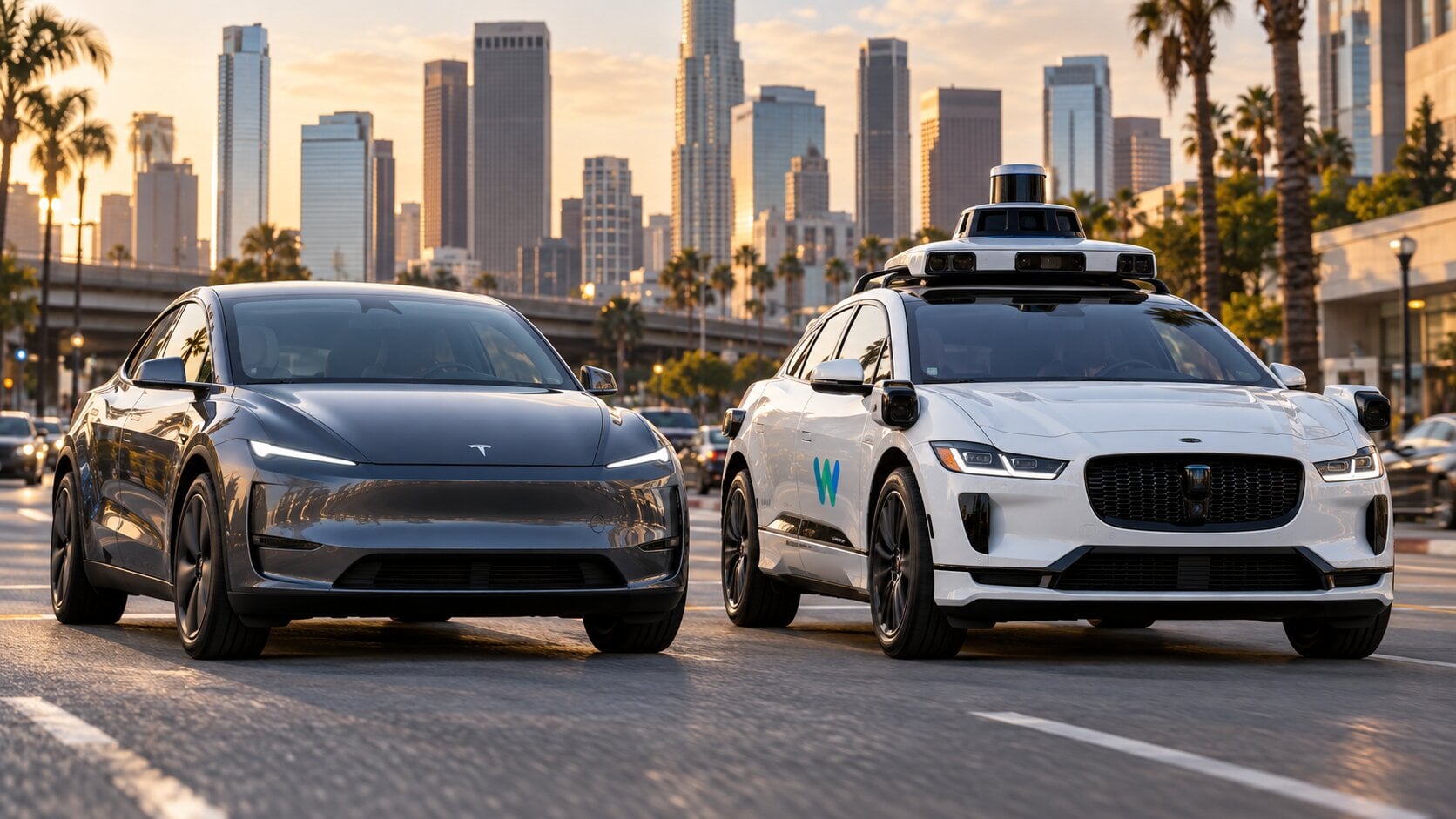
The race for the future of autonomous transportation is beginning to take a more concrete shape. While Tesla has spent years presenting robotaxis as one of the key pillars of its future, Waymo currently has a much larger lead in real-world commercial operations. The Alphabet-owned company already operates more than 4,000 autonomous vehicles and completes over half a million paid rides per week. Tesla, however, is now beginning to add its own Cybercabs and is trying to narrow the gap quickly.
Waymo has accelerated significantly over the past two years. Back in September 2024, it was offering commercial robotaxi services mainly in Phoenix, Los Angeles, and San Francisco. Today, it already provides fully autonomous rides in 15 U.S. cities. At the beginning of September alone, the company launched public rides in Denver, San Diego, and Tampa, before adding Las Vegas just a few days later.
The number of customers is growing as well. Waymo says its robotaxis currently complete more than 500,000 paid rides per week. For comparison, at the beginning of this year, the company was reporting roughly 400,000 rides per week.
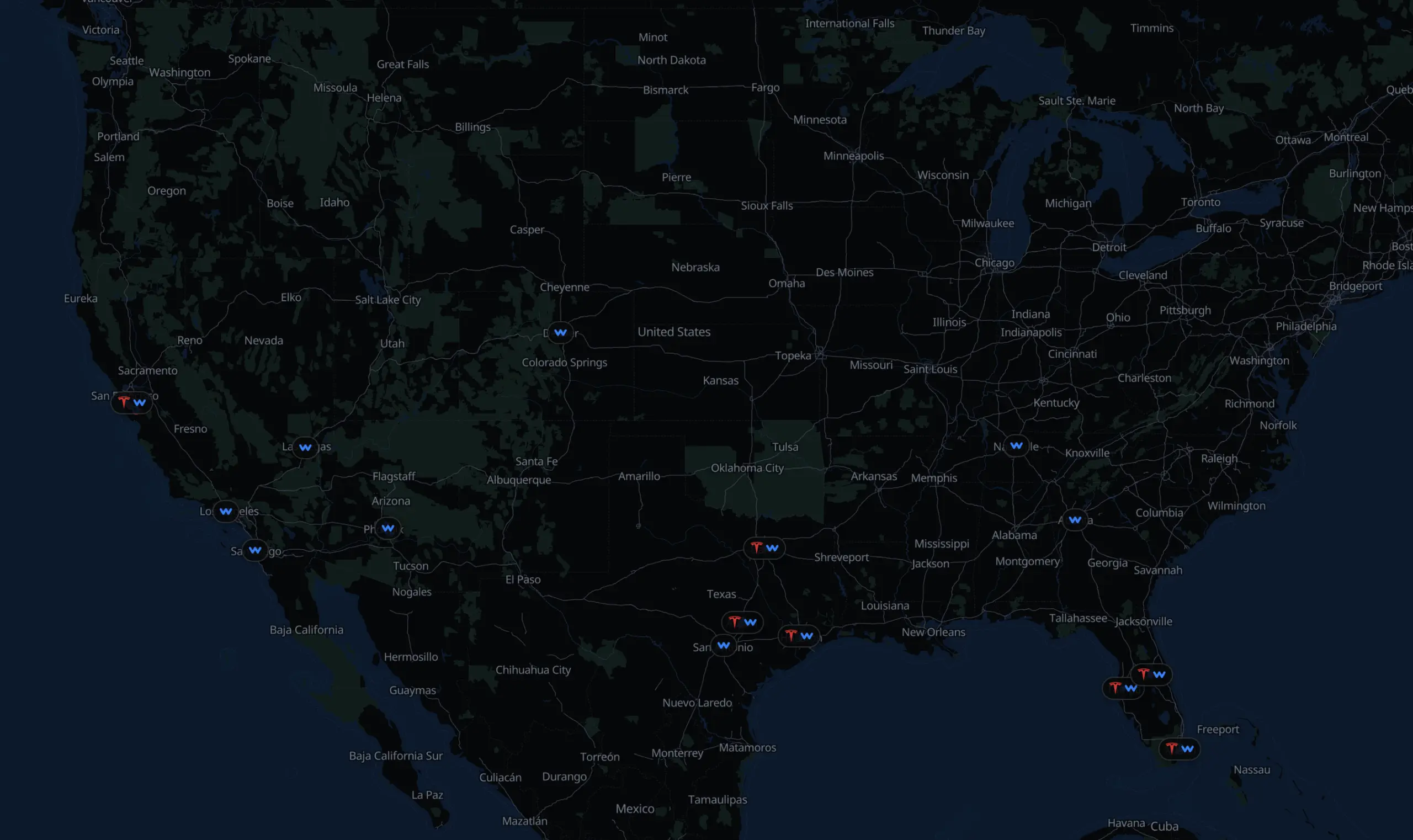
Tesla still has a smaller geographic footprint. Its Robotaxi service currently offers autonomous rides in Austin, Dallas, Houston, Miami, Orlando, and Tampa. Most of the fleet still consists of modified Model Y vehicles, while the purpose-built Cybercab is available only in limited parts of Austin.
Waymo Leads on the Streets While Tesla Is Betting on a Different Strategy
The difference is particularly visible in Texas, which is becoming one of the key battlegrounds for autonomous taxi services. According to state registration data and the Texas Autonomous Vehicle Fleet Tracker, Waymo had 1,102 autonomous vehicles registered in Texas as of September 24. In just three weeks, its fleet in the state grew by around 49%.
Tesla, by comparison, has several hundred autonomous vehicles registered in Texas. Records cited by Electrek showed 476 registered vehicles as of September 22, including 409 Model Ys and 67 Cybercabs. However, registration does not automatically mean that all of these vehicles are carrying passengers every day.
Tesla itself confirms that it has already deployed more than 40 Cybercabs in Austin. The two-seat vehicle was designed from the ground up for autonomous taxi services. It has no steering wheel or pedals, and passengers interact with it through an app and a central display.
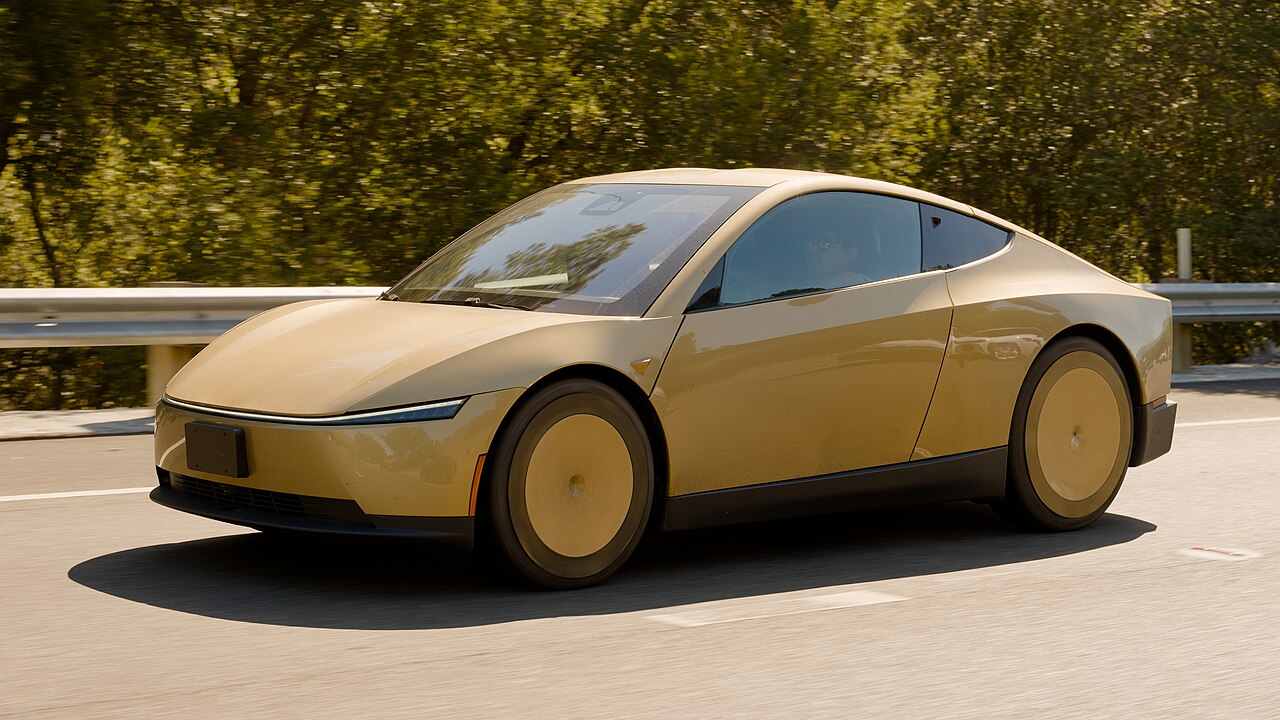
This is where the fundamental difference between the two companies becomes clear. Waymo is currently building on an already established large-scale service, gradually adding more vehicles and expanding into new cities. Tesla, meanwhile, is trying to leverage its own automotive manufacturing capabilities and gradually shift the core of its fleet from the Model Y to the Cybercab.
In its first-quarter results, the company said it expects the Cybercab to gradually replace the Model Y in its fleet and eventually become its most widely used vehicle.
Tesla theoretically has one major advantage. It manufactures its own cars at large scale. If it manages to expand its autonomous software without requiring significantly more expensive sensor equipment, it could potentially produce new robotaxis much faster.
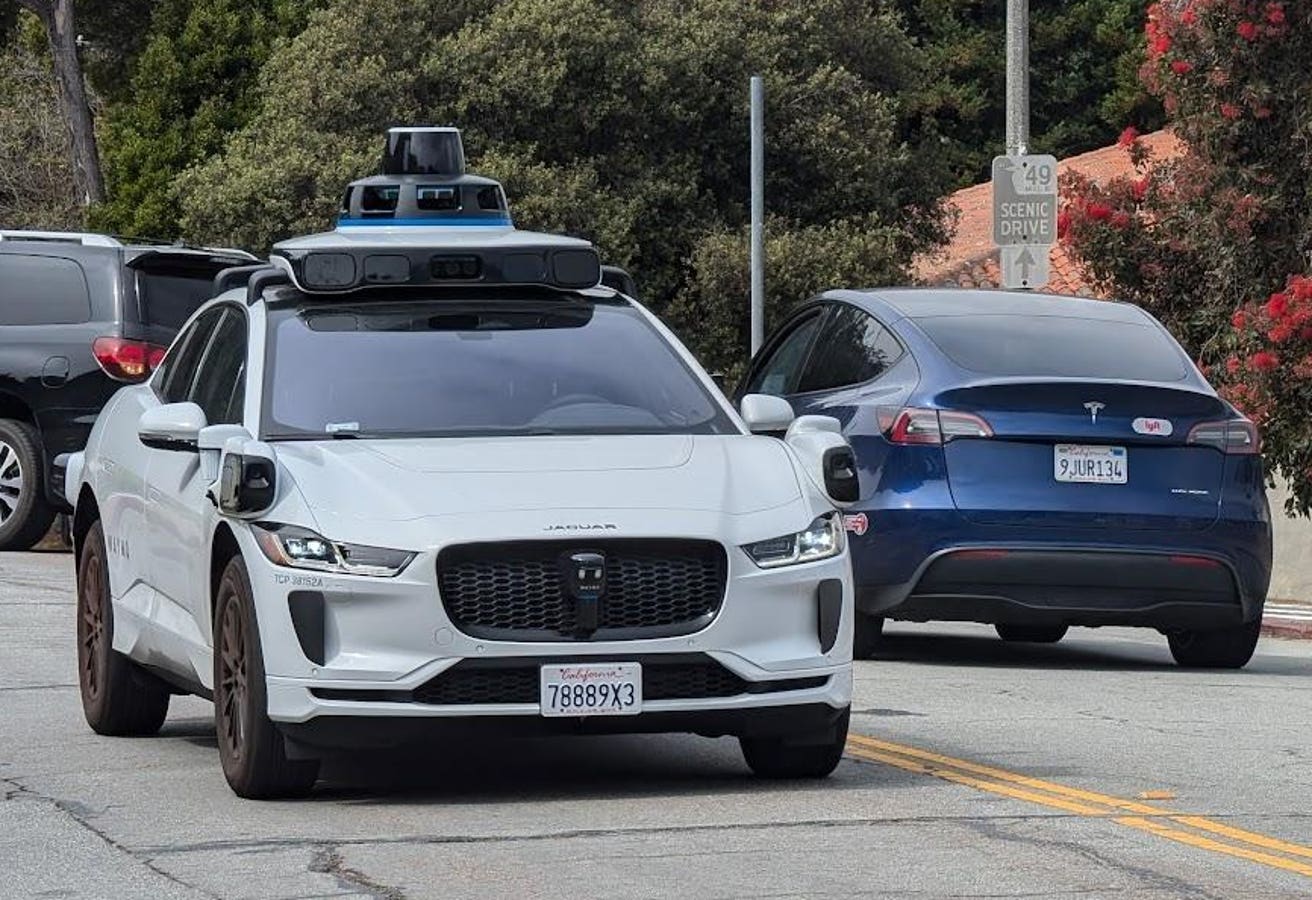
Waymo, on the other hand, relies on a combination of cameras, radars, and lidar. Its sixth-generation Waymo Driver includes 13 cameras, four lidars, and six radars. The company argues that overlapping sensors provide greater redundancy, particularly in poor weather conditions or complex driving situations.
Waymo Has Its Own Answer to the Cybercab
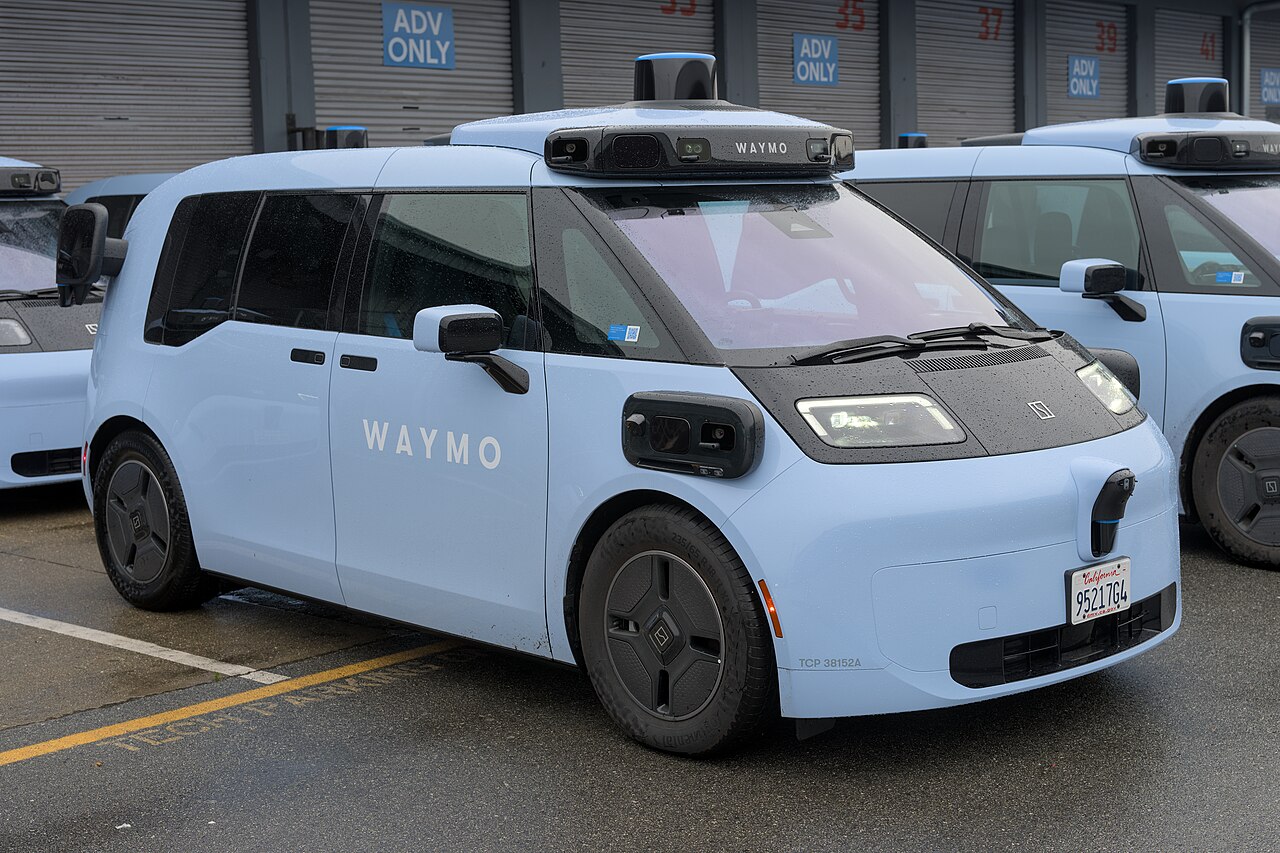
Waymo also does not want to remain dependent on the more expensive Jaguar I-Pace vehicles. A key part of its next phase of growth is therefore the new Ojai model, built on a platform from Zeekr, an automaker owned by China’s Geely Group.
Like the Cybercab, Ojai is designed specifically for autonomous passenger transportation. It uses the sixth generation of Waymo Driver and features a simpler and less expensive hardware configuration than the previous generation. Waymo has also redesigned the interior for heavy usage, easier entry and exit, and everyday robotaxi operations.
Expansion is complicated, however, by the fact that the vehicle’s base platform comes from China. U.S. import tariffs therefore increase costs at precisely the moment when Waymo is trying to reduce the price of each autonomous vehicle.
For both Tesla and Waymo, a decisive phase is now beginning. Waymo currently has a larger commercial fleet, a broader geographic footprint, and already transports hundreds of thousands of paying customers every week. Tesla, by contrast, is only beginning to expand its Cybercab fleet, but it has enormous in-house manufacturing capacity and already operates its Robotaxi technology in six U.S. cities.
The next stage of the competition will therefore not only be about which company can develop a better autonomous driving system. Just as important will be who can manufacture robotaxis more cheaply, deploy them on the streets more quickly, and ultimately turn the entire service into a profitable business.
