


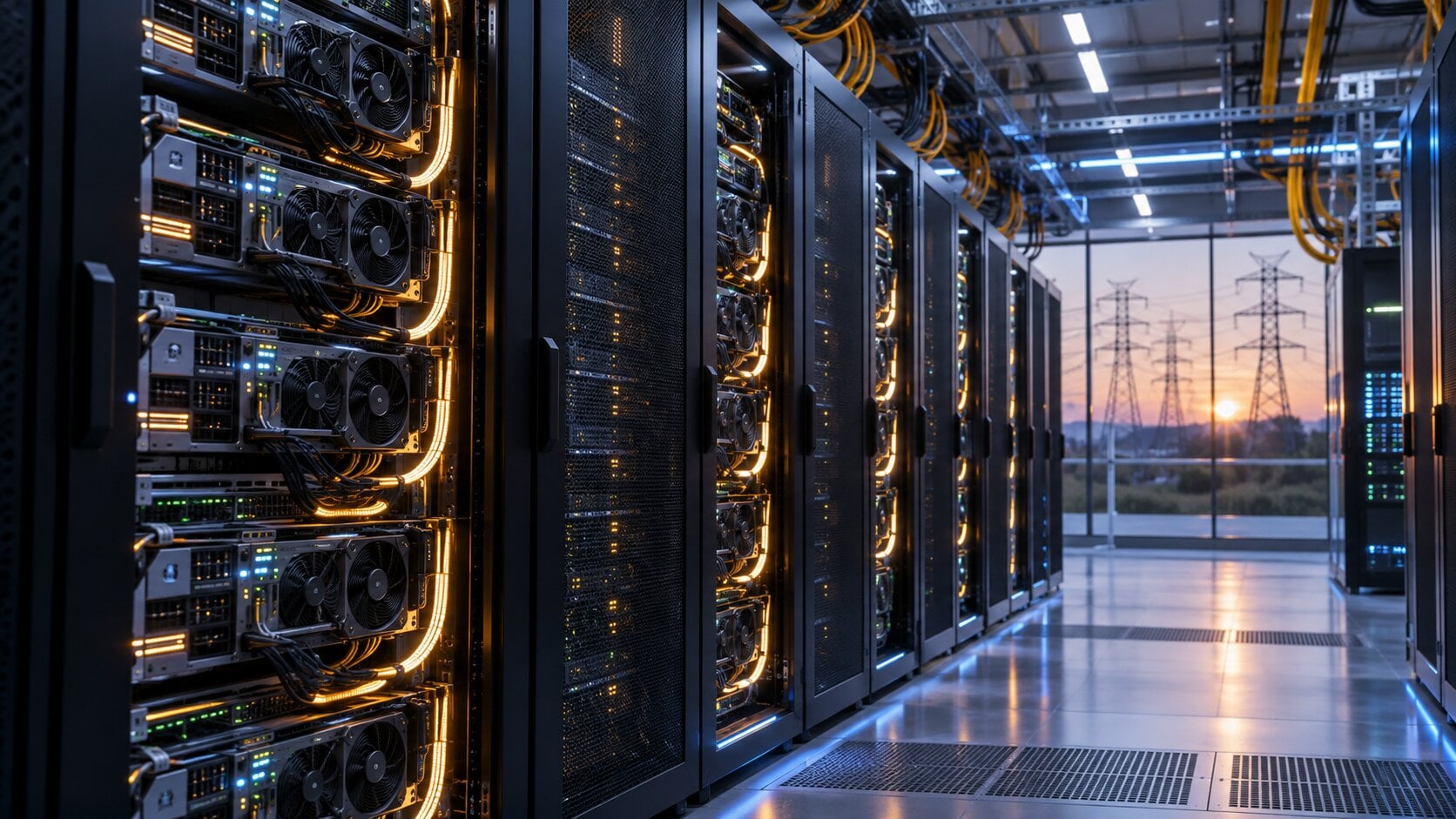
Artificial intelligence can write text, generate images or analyze large documents within seconds. Behind these seemingly simple tasks, however, are thousands of powerful chips operating in data centers around the world. As AI adoption accelerates, so does the question of how much electricity the technology actually consumes. The answer is more complicated than it might seem.
AI’s energy consumption depends primarily on what it is being asked to do.
Generating a short answer to a simple question requires far less computing power than producing several minutes of AI-generated video, analyzing thousands of pages of documents or running an AI agent that independently performs dozens of tasks.
It is also important to distinguish between two main parts of AI’s energy use.
The first is model training, when enormous amounts of computing power are used to build the system itself. The second is inference, meaning the everyday use of an already trained model by millions of users.
And the chips themselves are only part of the equation. Electricity is also needed to power servers, networking equipment, data storage and the cooling systems that keep entire data centers running.
How Much Electricity Does a Single AI Query Use?
A wide range of figures circulate online about the energy required for individual AI queries.
Older estimates often claimed that a single ChatGPT query consumed around 3 Wh of electricity. More recent analyses, however, suggest that simple text prompts can be significantly more efficient.
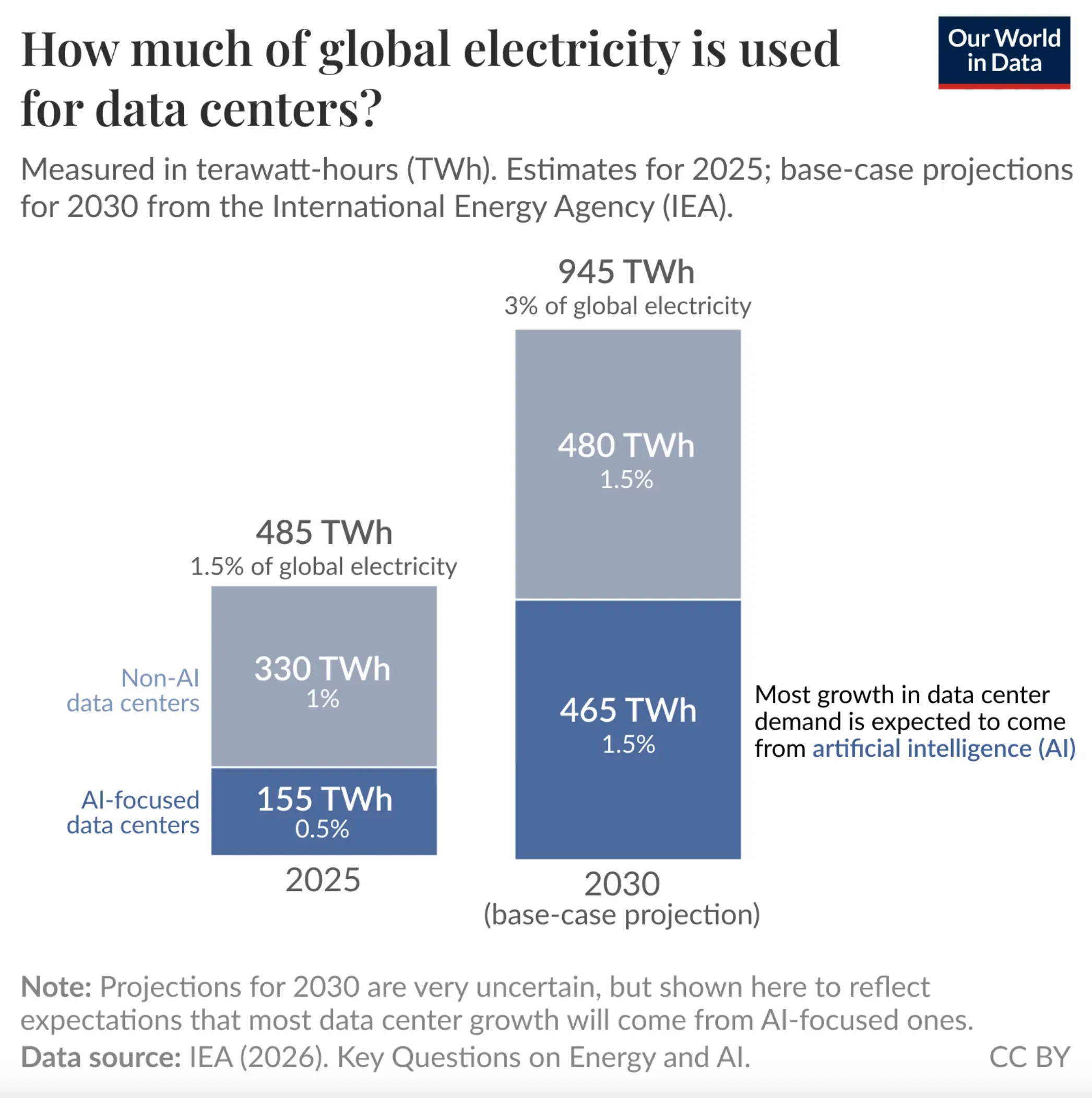
In 2025, research organization Epoch AI estimated that a typical query processed by the then-current GPT-4o model could consume roughly 0.3 Wh of electricity.
That is around ten times less than the widely repeated 3 Wh estimate.
The researchers also stressed that this was only an approximation and that energy use can vary considerably depending on the length of the prompt, the length of the answer and the model being used.
Google later published a similar figure.
Using its own methodology, the company estimated that a median text prompt in Gemini applications consumed approximately 0.24 Wh of electricity.
Google also said that it had reduced the energy required for a typical prompt by roughly 33 times over the previous 12 months.
At 0.3 Wh per query, one million simple text prompts would consume about 300 kWh of electricity.
From an energy perspective, a single query is therefore not a major problem.
The key issue is scale.
AI services are used by hundreds of millions of people, and a single user may generate dozens of requests in a single day.
Multiplying a relatively small amount of energy by an enormous number of users is what creates the overall electricity demand.
Text, Images and Video Have Very Different Energy Requirements
Not all AI queries are equal.
Generating a few sentences sits at one end of the spectrum.
Advanced reasoning models, by contrast, may perform extensive internal computation before producing an answer. Image generation can require even more resources, while video generation is typically more demanding still.
The International Energy Agency has warned that newer AI applications such as video generation, reasoning and autonomous AI agents may require hundreds or even thousands of times more energy per task than simple text generation.
This is why it makes little sense to look for a single universal number describing how much electricity “AI” consumes.
A chatbot answering a basic question and a system generating several minutes of video or autonomously solving a complex problem may rely on similar underlying technologies, but their energy requirements can be completely different.
Another major source of electricity consumption is model training itself.
Developing the most advanced AI systems requires large clusters of graphics processors that may operate continuously for weeks or even months.
Companies generally do not disclose exact figures, making direct comparisons between individual models difficult.
As the number of users grows, however, an increasing share of total energy consumption is shifting toward inference, because a model that has been trained once may later be used billions of times.
Data Centers Could Use Twice as Much Electricity by 2030
The total electricity consumption of the infrastructure supporting AI is therefore much more important than the energy used by a single prompt.
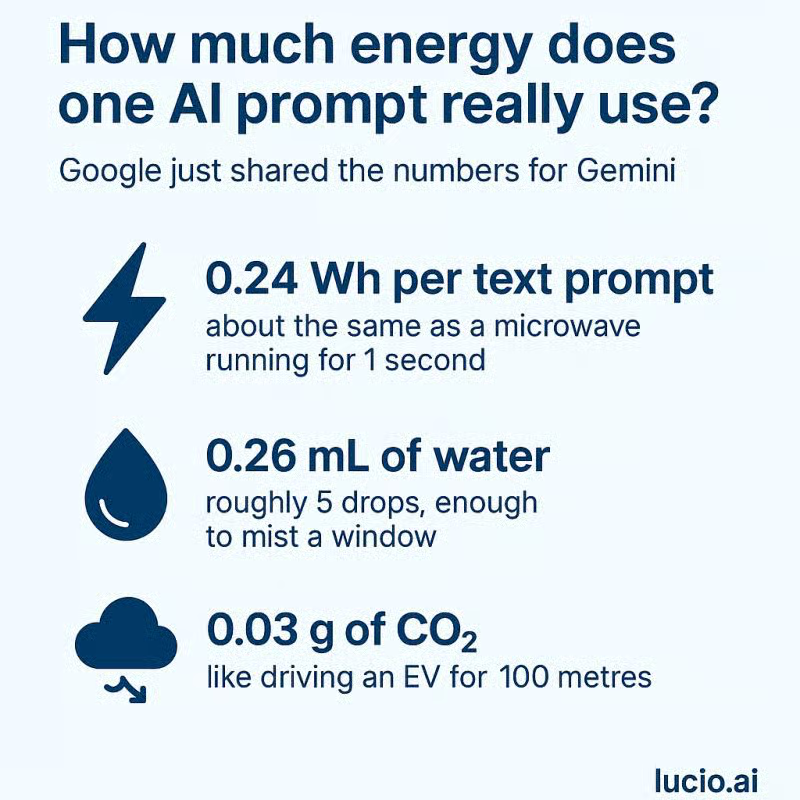
According to the International Energy Agency, global data centers consumed approximately 485 TWh of electricity in 2025, equivalent to around 1.5% of worldwide electricity demand.
Over the previous five years, their electricity consumption had grown at an average rate of roughly 12% per year.
The rise of generative AI is accelerating that growth even further.
The IEA estimates that total electricity use by data centers increased by around 17% in 2025.
For data centers focused primarily on AI, the increase was approximately 50%.
By 2030, the agency’s base-case scenario expects global data-center electricity consumption to roughly double to around 950 TWh per year.
That would account for approximately 3% of total global electricity demand and slightly exceed the current annual electricity consumption of Japan.
Electricity use by AI-focused data centers is expected to roughly triple over the same period.
This also puts some of the more dramatic claims about AI consuming a huge share of the world’s electricity into perspective.
Even with rapid growth, all data centers combined are still expected to account for only around 3% of global electricity consumption by the end of the decade.
The Biggest Problems May Be Local, Not Global
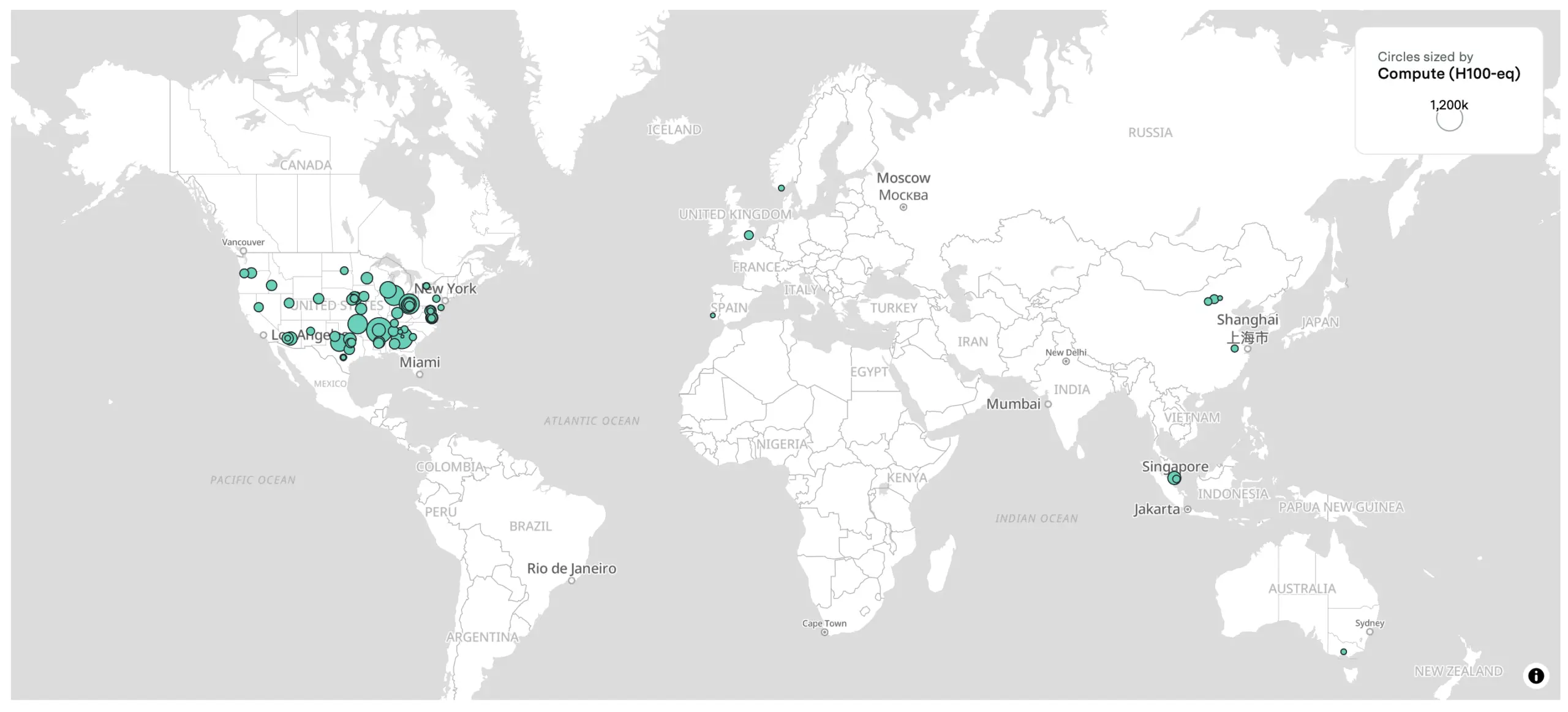
Data centers are not distributed evenly around the world.
A massive facility concentrated in one location can require hundreds of megawatts or even several gigawatts of power.
That level of demand can place substantial pressure on a local electricity grid, even if data centers still account for only a few percent of global electricity consumption.
The trend is particularly visible in the United States.
According to the IEA, data centers could account for nearly half of the total growth in U.S. electricity demand through 2030.
Their electricity consumption is expected to rise by roughly 240 TWh compared with 2024.
Technology companies are therefore increasingly concerned not only with securing more chips, but also with finding enough electricity to power them.
Renewable energy is expected to cover part of the additional demand.
The IEA projects that renewables will provide roughly half of the extra electricity needed to support data-center growth through the middle of the next decade.
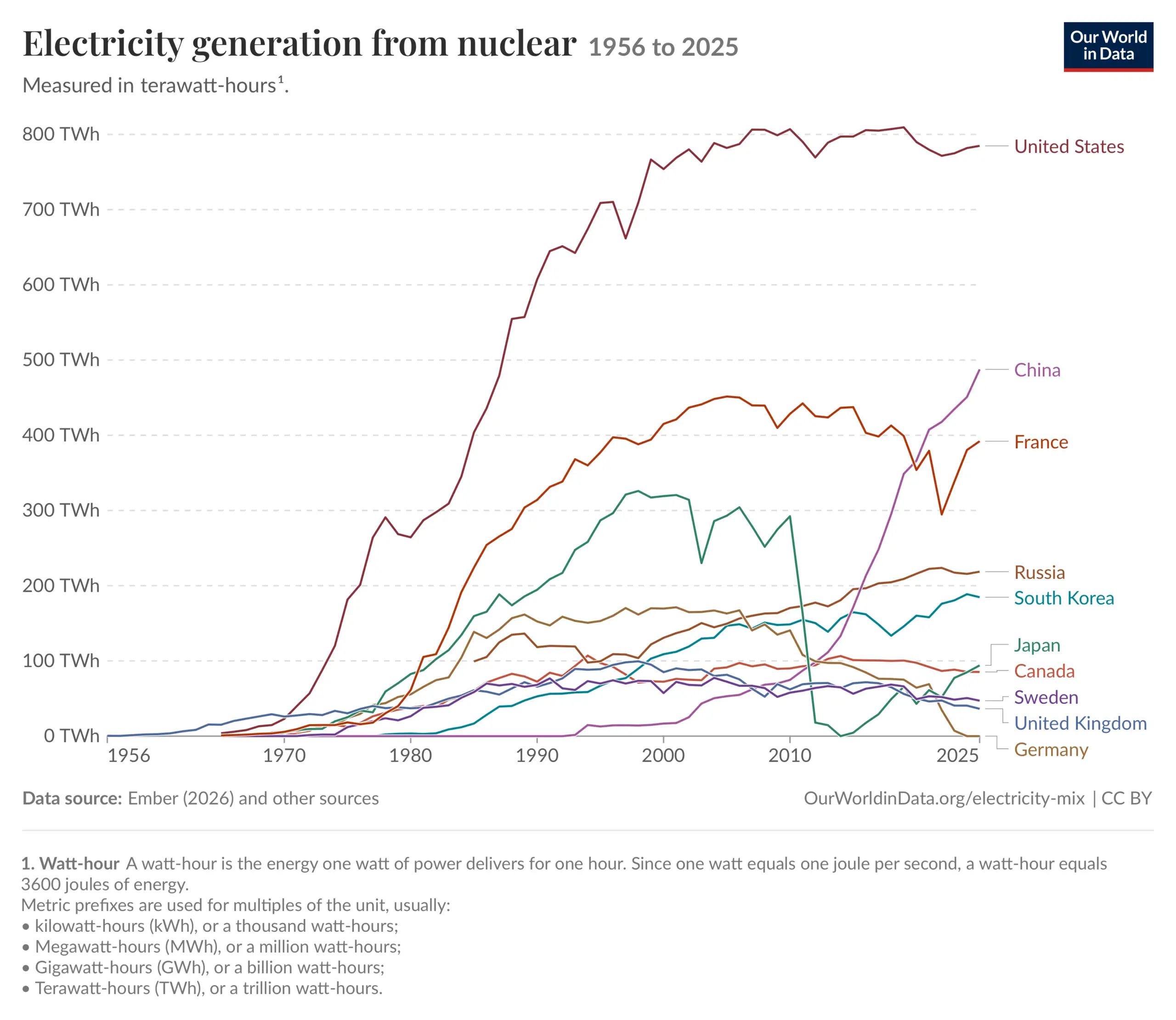
Natural gas is also expected to play an important role, while nuclear power is likely to become increasingly significant.
AI Is Bringing Nuclear Power and New Energy Sources Back Into Focus
The AI boom is contributing to renewed interest among technology companies in long-term electricity contracts, new nuclear projects and advanced energy technologies such as small modular reactors and geothermal power plants.
For data-center operators, electricity prices are only part of the equation.
Reliable availability matters just as much.
AI infrastructure needs power around the clock, which is why companies are increasingly looking for energy sources capable of delivering stable output 24 hours a day.
At the same time, the efficiency of the technology itself is improving rapidly.
New chips can perform the same amount of computation using less electricity.
AI models are becoming more efficient, while data-center operators are improving cooling systems and overall infrastructure.
Google, for example, reported that electricity consumption across its data centers rose by 27% year over year in 2024, while energy-related emissions fell by 12%.
Technological improvements can therefore offset at least part of the increase in electricity demand.
More Efficient AI Does Not Necessarily Mean Lower Total Consumption
There is, however, one important catch.
If AI becomes cheaper to operate, it may be deployed across an even wider range of services, while the total number of requests grows faster than the energy consumed by each individual task falls.
More efficient AI therefore does not automatically lead to lower overall electricity consumption.
A similar effect can be seen throughout the history of computing.
Cheaper and more efficient computing power often leads to much broader use.
So How Much Electricity Does AI Really Use?
There is no single answer.
A simple ChatGPT or Gemini query today probably consumes only a fraction of a watt-hour.
Advanced reasoning models, image generation, video generation and autonomous agents, however, can be orders of magnitude more energy-intensive.
At a global level, the real issue is not one individual prompt but billions of requests, increasingly powerful models and hundreds of new data centers.
Artificial intelligence is therefore unlikely to become the dominant consumer of the world’s electricity. Its rapid growth could, however, significantly reshape where new power generation is needed, how quickly it must be built and which energy sources are used to supply it.
