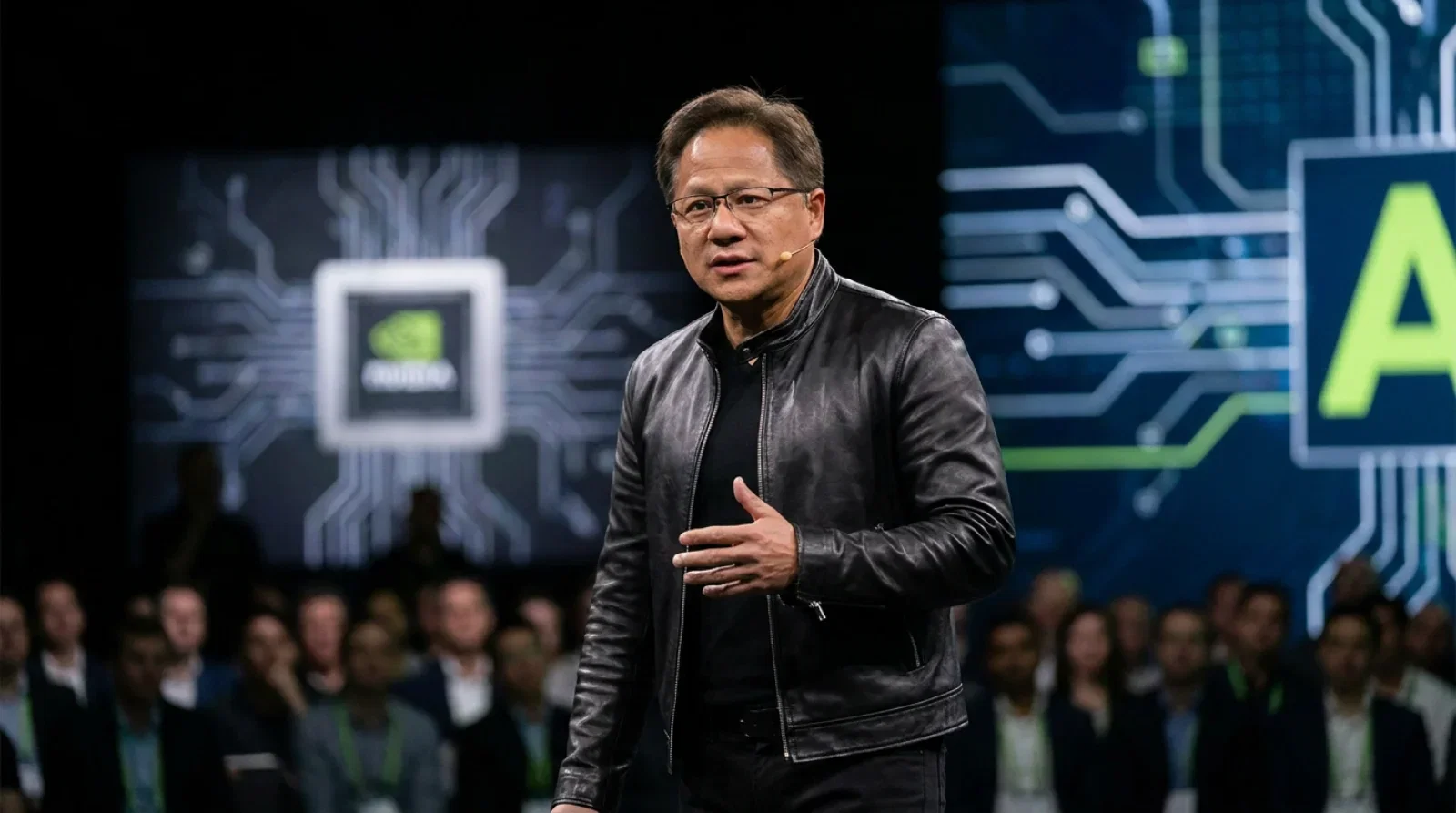
Nvidia opposes AI regulation, betting on corporate responsibility
Nvidia CEO Jensen Huang rejects further AI regulation, arguing that safety is a technical task for developers rather than a legal issue. While OpenAI and Google call for rules, Nvidia is betting on market responsibility and rapid innovation.
Nvidia CEO Jensen Huang has spoken out against the introduction of specific legislation aimed at regulating artificial intelligence. According to him, AI safety is not a matter for lawmakers, but a technical challenge that developers themselves must master. This stance stands in sharp contrast to the calls from other tech giants for shared rules.
Safety as a technical discipline, not a legal dispute
During the Dreamforce conference hosted by Salesforce, Jensen Huang presented his vision for the future and control of artificial intelligence. The Nvidia chief refuses to see AI as a mystical entity that requires an entirely new legal framework. Instead, he defines it as advanced software and a complex computing system created by humans, which should be subject to standard engineering principles.
“Safety is a technical problem, not a legal one. If a company is not sure about the functionality or safety of its product, it simply should not bring it to market,” Huang stated resolutely.
According to Huang, natural market self-regulation works more effectively than state intervention. Companies have strong economic and reputational incentives not to release dangerous or buggy products. Otherwise, they risk losing customer trust and destroying their own brand.
Innovation and safety: Two sides of the same coin
The Nvidia CEO believes that technological progress and safety are not in direct conflict. Companies can move forward at the maximum possible speed, provided they follow strict testing protocols. If risks emerge during the development process, it is the duty of engineers to slow down development and fix the technical error.
Huang's stance suggests that the responsibility for AI safety lies fully on the shoulders of tech companies and their ability to debug systems before their commercial deployment.
A rift in Silicon Valley: Who wants regulation?
However, Huang's libertarian approach to AI development is not shared by all industry leaders. While Nvidia advocates for freedom, other key players are calling for a firm framework. Companies like Anthropic, OpenAI, and Google DeepMind have recently been intensively discussing the need for shared safety standards that would apply to the entire industry.
Dario Amodei, CEO of Anthropic, has become one of the most vocal advocates for coordination between companies, especially in the development of the most powerful models (so-called frontier models), which could pose systemic risks.
Two main directions in the debate on the future of AI:
- Decentralized approach: Emphasizes individual corporate responsibility, technical solutions, and natural market pressure. (Advocated by, e.g., Nvidia)
- Centralized/Cooperative approach: Promotes the creation of independent oversight mechanisms, government supervision, and unified standards for the most powerful systems. (Advocated by, e.g., Anthropic or OpenAI)
Economic context and Nvidia's dominance
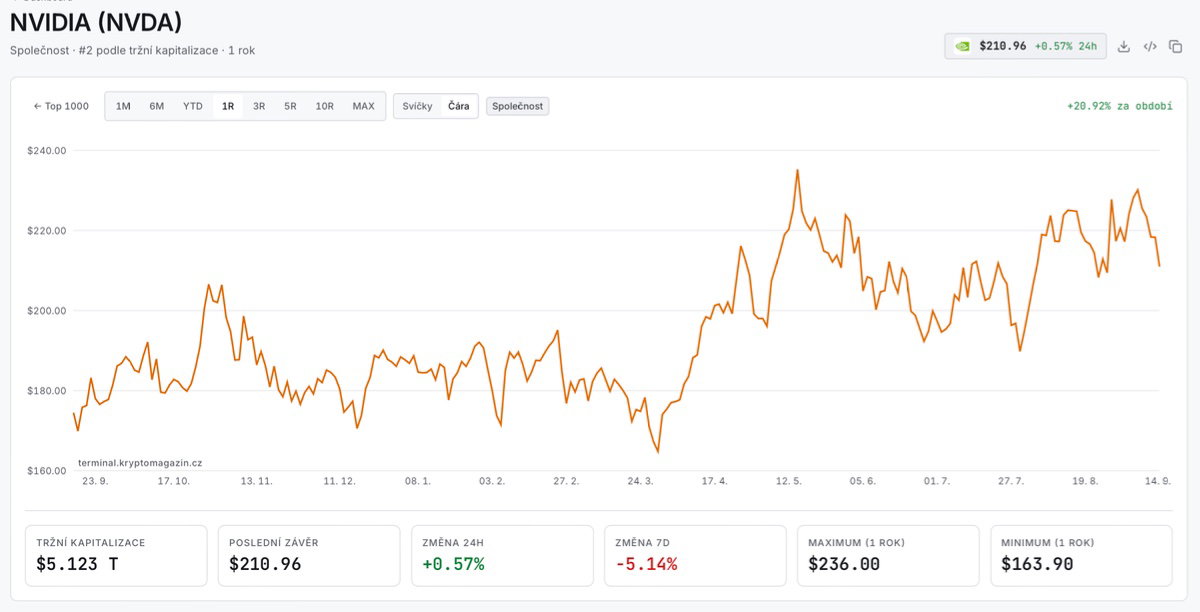
Jensen Huang's stance cannot be separated from his company's business reality. Nvidia is currently the primary provider of computing infrastructure (chips and software), without which today's AI boom would not be possible. Any legislative slowdown in development or restrictions on the deployment of AI systems would directly affect the demand for Nvidia's products.
At the conference, Huang reiterated his vision that in the near future, every company will become an "AI company" in some sense. The integration of these technologies into all sectors is, in his view, inevitable and desirable.
The debate over AI regulation is far from over. The clash between the vision of absolute innovative freedom and the demand for strict external oversight will define the tech sector in the coming years.
Frequently Asked Questions
Why does Jensen Huang reject new laws for AI?▼
Which companies, on the other hand, are calling for regulation?▼
Can regulation affect Nvidia's business?▼

I got into cryptocurrencies at the end of 2020 and quickly became a Bitcoin maximalist. I’m interested in what’s happening in the financial markets, and in my free time I travel around Southeast Asia. At KryptoMagazine, I’m in charge of news and video content.